
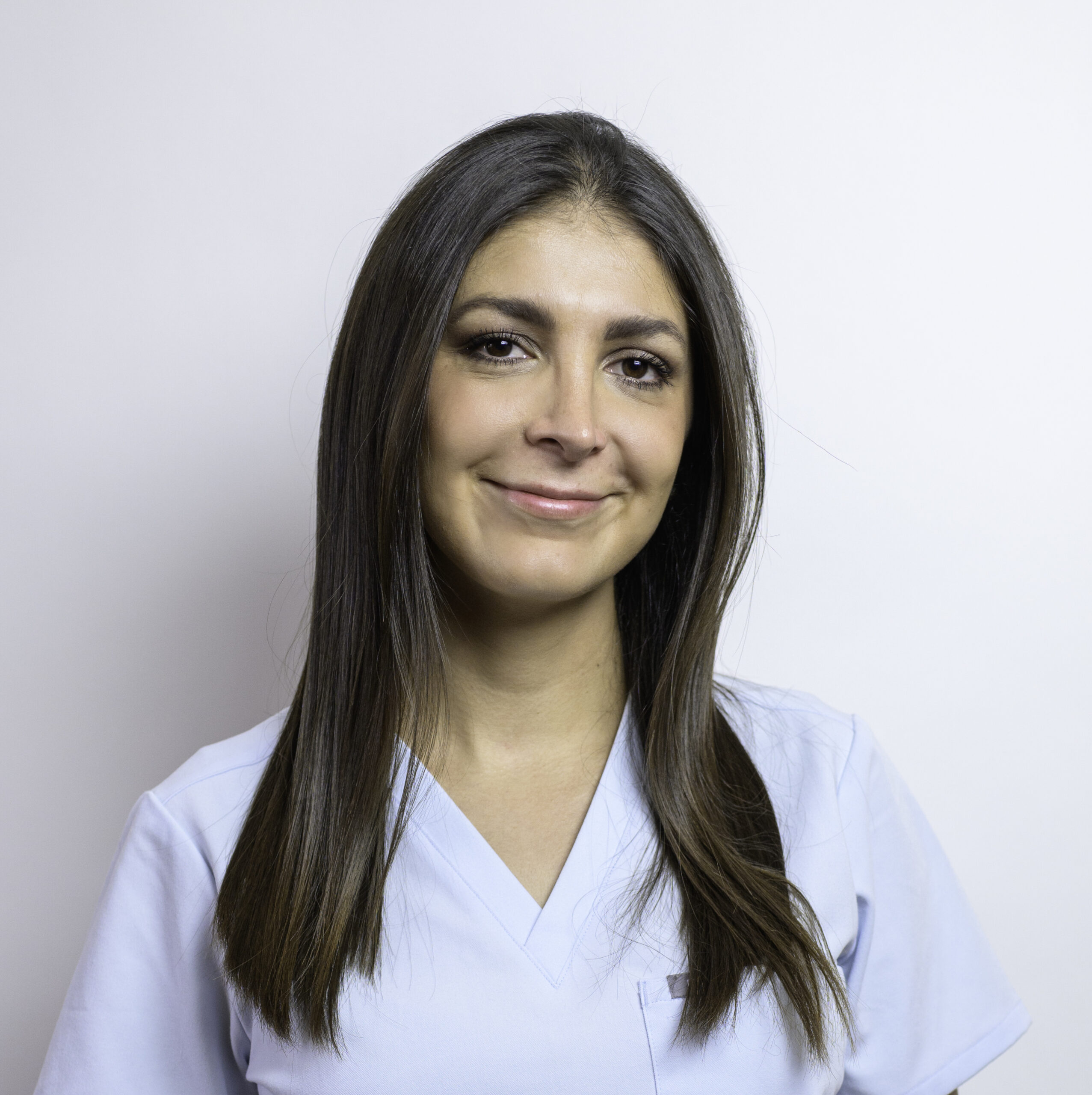
Dr. Paulina Carrillo
Dr. Paulina Carrillo, MD
Gynecology & Minimally Invasive Surgery, Endometriosis Specialist
Summary:
Dr. Paulina Carrillo is a gynecologist and endometriosis specialist based in Mexico City, Mexico. She performs endometriosis excision surgery and provides individualized care that considers each patient’s symptoms, reproductive goals, and quality of life. Her advanced training includes surgery for deep endometriosis, minimally invasive gynecologic surgery, hysteroscopy, and clinical neuropelveology.
Dr. Carrillo views endometriosis as a complex, multifactorial, chronic inflammatory disease that requires a multidisciplinary approach. Her treatment plans may combine excision surgery with hormonal therapy, pelvic floor physical therapy, pain management, nutritional support, and psychological care. For patients with persistent pain after surgery, she conducts a comprehensive reassessment to identify possible causes, including residual or recurrent endometriosis, adenomyosis, pelvic floor dysfunction, and neuropathic pain. She considers additional surgery only when objective evidence indicates that it is likely to provide meaningful benefit.
Dr. Carrillo earned her Doctor of Medicine degree at Universidad Popular Autónoma del Estado de Puebla and completed her residency in Gynecology and Obstetrics at Hospital Español de México. She is certified by the Mexican Board of Gynecology and Obstetrics. Her additional training includes a Surgical Fellowship in Advanced Surgery in Deep Endometriosis at IFEMEndo in Bordeaux, France, and a Fellowship in Advanced Laparoscopy with Multidisciplinary Endometriosis Management at Instituto Doyenne in Mexico City. She also completed advanced hysteroscopy training at the University of Naples Federico II and laparoscopic surgical training at Saint Louis University. Her credentials include ISON Level 1 in Clinical Neuropelveology, GESEA Level 2 in Minimally Invasive Gynaecological Surgery, GESEA Level 1 in Endoscopy, a Diploma of Advanced Laparoscopy in Gynaecology, and advanced endometriosis courses at CICE and IRCAD in France.
City: Ciudad de México, Mexico
Philosophy of Endometriosis Care: I view endometriosis as a complex, multifactorial, chronic inflammatory disease rather than a condition explained by a single theory. My clinical approach is informed by the integration of several complementary mechanisms, including Sampson’s theory of retrograde menstruation, coelomic metaplasia, Müllerian remnants, stem cell involvement, genetic and epigenetic susceptibility, immune dysfunction, and neuroangiogenesis. Because of this multifactorial pathogenesis, I believe treatment should be individualized and multidisciplinary. Surgery addresses the anatomical disease, while long-term management may also include hormonal therapy, pelvic floor physical therapy, pain management, nutritional support, and psychological care according to each patient’s goals, symptoms, and fertility plans.
What type of surgery do you perform for endometriosis: Excision
Do you include imaging in pre-surgical planning: Yes. Imaging is an essential component of my preoperative planning. I use expert transvaginal ultrasound and pelvic MRI with an endometriosis-specific protocol when deep endometriosis is suspected or when mapping of disease extent is required. Imaging is used to assess ovarian endometriomas, adenomyosis, rectosigmoid, urinary tract, parametrial and other deep pelvic involvement, and to anticipate surgical complexity. It also helps determine whether a multidisciplinary team, such as colorectal or urologic surgery, should be involved. I counsel patients that negative imaging does not exclude superficial endometriosis.
Medication: Medical therapy is an important component of individualized endometriosis care, but it should not be considered a substitute for appropriate surgical management when surgery is indicated. I prescribe hormonal therapies primarily to suppress disease activity, control symptoms, reduce recurrence risk, and preserve quality of life. Depending on the patient’s age, symptoms, reproductive goals, and disease severity, I may recommend progestins (particularly dienogest), combined hormonal contraceptives, levonorgestrel-releasing intrauterine systems, or GnRH agonists in a few selected cases. Nonsteroidal anti-inflammatory drugs are used for symptom control when appropriate. Medical treatment is integrated with pelvic floor physical therapy, nutritional counseling, pain management, and psychological support when indicated. Treatment decisions are individualized and made through shared decision making with each patient.
Approach to Persistent Pain After Surgery: Persistent symptoms after surgery require a comprehensive reassessment rather than the assumption of recurrent disease. I recognize that persistent pelvic pain may result from residual or recurrent endometriosis, adenomyosis, pelvic floor dysfunction, neuropathic pain, central sensitization, bladder pain syndrome, irritable bowel syndrome, or other pain generators. My approach includes a detailed clinical reassessment, expert imaging when indicated, and multidisciplinary evaluation. Treatment is individualized and may include pelvic floor physical therapy, hormonal therapy, pain medicine, nutritional support, psychological care, and selective reoperation only when there is objective evidence that surgery is likely to provide meaningful benefit. My goal is to improve function, quality of life, and long-term symptom control while avoiding unnecessary repeat surgery.
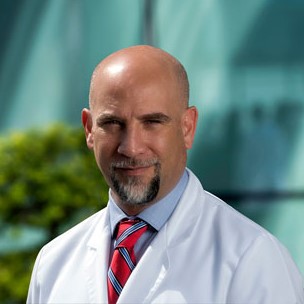
Dr. Carlos Linder Efter
Dr. Carlos Linder Efter
Dr Carlos Linder Efter – Endometriosis Specialist
Sumary: Dr Carlos Linder Efter is a dedicated endometriosis specialist based in Mexico City, Mexico. Guided by the celomic metaplasia theory, Dr Carlos Linder Efter offers a thoughtful and personalized approach to endometriosis care. He specializes in excision surgery, focusing on the precise removal of endometriosis lesions to improve patient outcomes.
Doctor Carlos Linder Efter incorporates medication such as progestins, including the Mirena IUD, to evaluate and manage symptoms effectively. In select cases, he may also recommend GnRH analogs tailored to individual needs. For patients experiencing persistent pain after surgery, Dr Carlos Linder Efter emphasizes a holistic approach that includes physical therapy and nutritional adjustments. Patients appreciate his compassionate care and commitment to long-term well-being, making Dr Carlos Linder Efter a trusted expert in managing endometriosis in Mexico City.
City: Mexico City, Mexico
Philosophy of Endometriosis Care: Celomic metaplasia
What type of surgery do you perform for endometriosis: Excision
Medication: I include progestins (Mirena) in my practice to assess the response to medication. In some special cases, I like to include GnRH analogs.
Approach to Persistent Pain After Surgery: Physical therapy and nutritional changes
Jennifer Mier-Cabrera
Jennifer Mier-Cabrera, Dietitian
City: Mexico City, Mexico
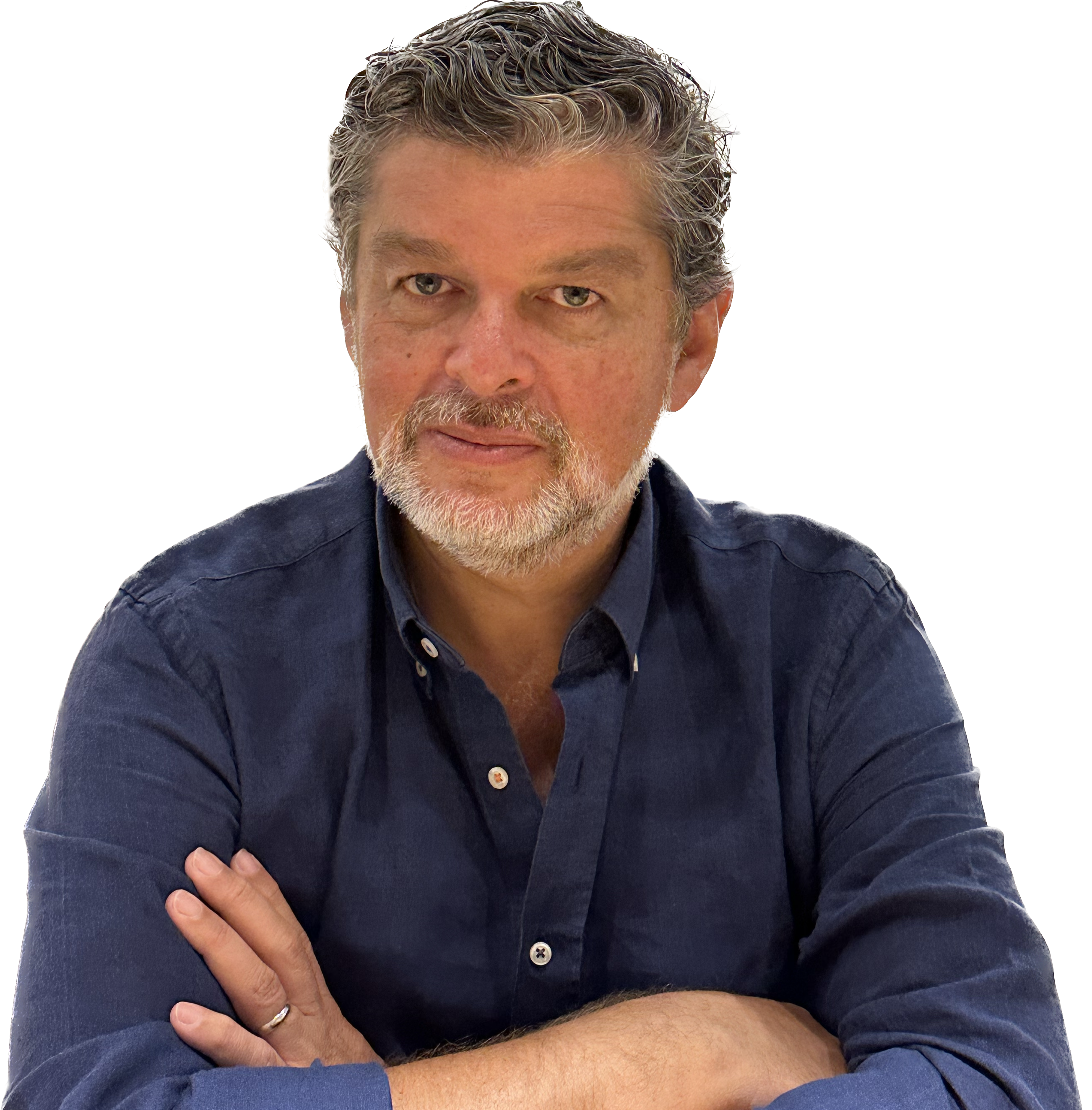
Dr. Sergio Villalobos Acosta
Dr. Sergio Villalobos Acosta, Endometriosis Specialist
City: Mexico City, Mexico

Dr. Ana Gabriela Sierra Brozon
Dr. Ana Gabriela Sierra Brozon
Dr Ana Sierra – Minimally Invasive Gynecological Surgery
Summary: Dr Ana Sierra is a skilled minimally invasive gynecologic surgeon based in Mexico City, specializing in endometriosis care. With a deep understanding of the condition’s complexity, Dr Ana Sierra embraces a unique approach grounded in the mesodermal origin theory, viewing endometriosis as a congenital condition rather than one solely caused by retrograde menstruation. This insight shapes her commitment to early diagnosis and precision excision surgery, making Dr Ana Sierra a trusted choice for patients seeking expert, evidence-based care.
She creates personalized treatment plans that may include hormonal therapy, anti-inflammatory supplements, and pelvic floor physiotherapy. When persistent pain remains after surgery, Dr Ana Sierra conducts a thorough neuropelviology evaluation and collaborates closely with pain management specialists. Patients benefit from her thoughtful, multidisciplinary approach and dedication to long-term relief. With Dr Ana Sierra, endometriosis care is comprehensive, compassionate, and rooted in the latest medical understanding.
City: Mexico City, Mexico
Philosophy of Endometriosis Care: Our approach to the treatment of endometriosis is based on the mesodermal origin theory, which suggests that individuals are born with endometriotic-like cells due to embryological misdifferentiation of the mesoderm. This theory posits that endometriosis is not solely a retrograde menstruation phenomenon but rather a condition that originates during fetal development, where misplaced Müllerian or mesothelial cells retain their potential to differentiate into endometrial-like tissue later in life.
This perspective explains why endometriosis can be diagnosed in prepubertal patients, postmenopausal women, and even in cases without functional menstruation. It also underscores the importance of a comprehensive excision-based surgical approach, as the disease is not merely a result of refluxed endometrial tissue but rather a condition embedded in the developmental blueprint of the pelvic structures. Understanding endometriosis from a congenital standpoint allows us to refine treatment strategies, emphasizing early diagnosis, precision excision surgery, and a multidisciplinary approach to improve patient outcomes.
What type of surgery do you perform for endometriosis: Excision
Medication: Hormonal treatment, primarily progestins, only when necessary; anti-inflammatory diet; pelvic floor physiotherapy; anti-
Approach to Persistent Pain After Surgery: If the patient persists with neurological alterations, I perform an extensive neuropelviology evaluation and interconsultation with pain management specialists.

Dr. Ramiro Cabrera Carranco
Ramiro Cabrera Carranco, M.D.,
Doctor Cabrera – Endometriosis Specialist, Gynecologist, and Laparoscopic Surgeon.
Summary: Doctor Cabrera, is a compassionate endometriosis specialist and gynecologic surgeon based in Tijuana, Baja California. Patients seeking expert care in dr Cabrera Mexico turn to him for his advanced training in laparoscopic excision surgery and deep commitment to personalized treatment. Dr Cabrera OBGYN approaches endometriosis through the lens of the mesodermal origin theory—understanding it as a condition rooted in fetal development. This unique perspective informs the holistic, long-term care that defines Ramiro Cabrera endometriosis treatment, making him a trusted choice for those seeking real answers.
Doctor Cabrera combines surgical excellence with supportive therapies, including pelvic floor physiotherapy, an anti-inflammatory lifestyle, and supplements. Dr Cabrera OBGYN only recommends hormonal treatment when necessary, prioritizing conservative yet effective care. Patients experiencing persistent or complex pain are thoughtfully evaluated, often with referrals to neuropelviology. With a growing reputation across borders, Cabrera Mexico remains a leading destination for Ramiro Cabrera endometriosis expertise and whole-person healing.
City: Tijuana, Baja California, Mexico
Philosophy: Our approach to the treatment of endometriosis is based on the mesodermal origin theory, which suggests that individuals are born with endometriotic-like cells due to embryological misdifferentiation of the mesoderm. This theory posits that endometriosis is not solely a retrograde menstruation phenomenon but rather a condition that originates during fetal development, where misplaced Müllerian or mesothelial cells retain their potential to differentiate into endometrial-like tissue later in life.
What type of surgery do you perform for endometriosis: Excision
Medication: Hormonal treatment, primarily progestins, only when necessary; anti-inflammatory diet; pelvic floor physiotherapy; anti-
Approach to Persistent Pain: If the symptoms indicate neurological alterations, evaluation by neuropelviology or pain management treatment is recommended.
