
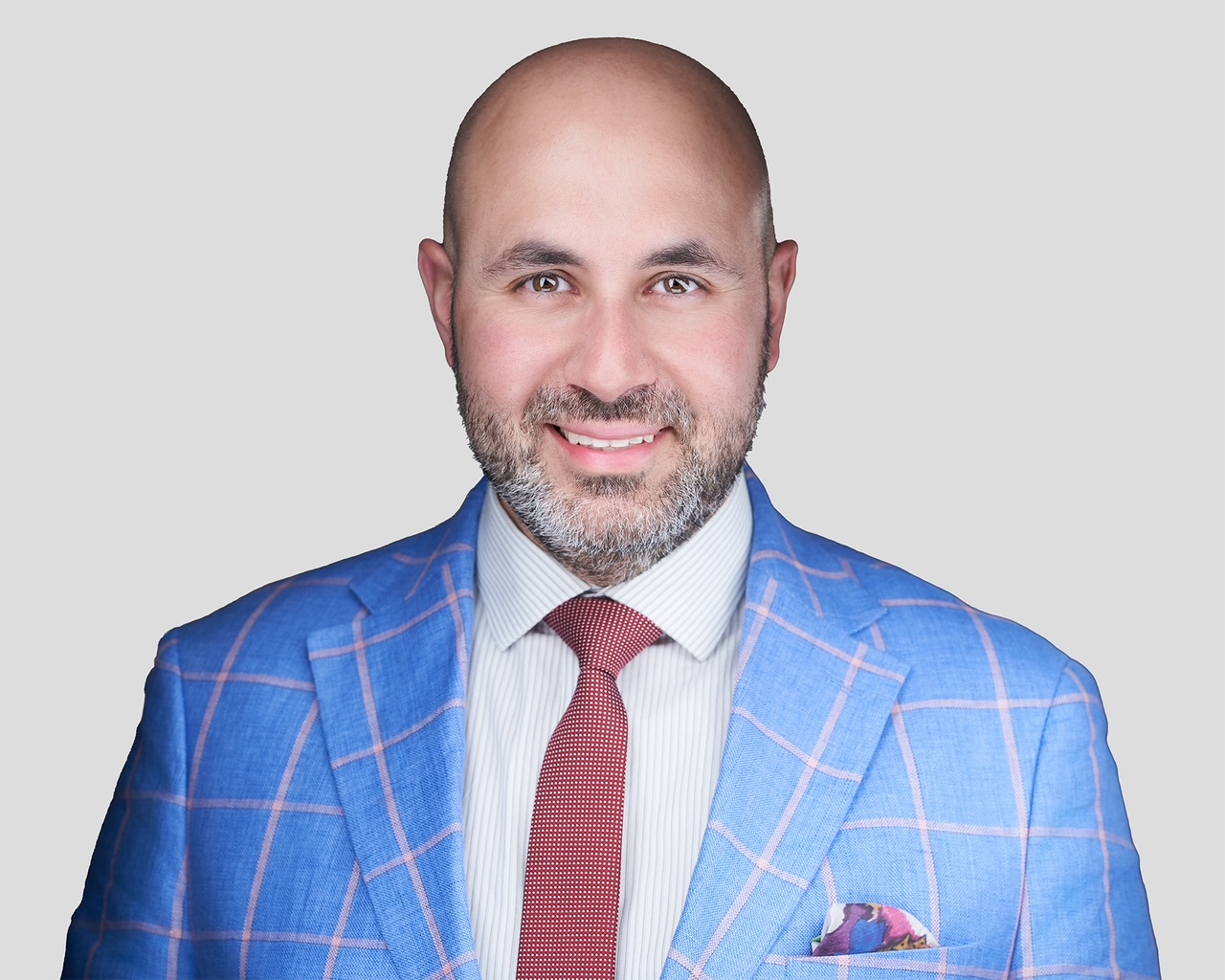
Dr. Faraj Touchan, MD, FACOG, MIGS
Dr. Faraj Touchan, MD, FACOG, MIGS
Dr. Faraj Touchan, Endometriosis Specialist
Summary: Dr. Faraj Touchan is a highly regarded, endometriosis specialist, Robotic and minimally invasive gynecologic surgeon based in New Jersey and New York in USA, With advanced laparoscopic, robotic, and ultrasound expertise, he brings extensive training from his long hard training. His evidence-based philosophy recognizes endometriosis as a multifactorial condition influenced by Müllerian metaplasia, retrograde menstruation with immune dysfunction, stem/progenitor cell activity, genetic and epigenetic factors, and potential autoimmune origins. This comprehensive understanding allows him to tailor precise, individualized treatment plans.
Patients searching for expert care from Faraj Touchan MD will benefit from his commitment to holistic, personalized treatment that goes beyond surgery.
As an endometriosis specialist, Dr. Touchan performs excision surgery—the gold standard for removing endometriosis—and balances surgical and medical therapies to optimize outcomes.
Dr. Touchan believes that Endometriosis is whole body disease and need to be treated as such, also believes that it is lifelong battle that he will be there for the patient needs. For persistent pain after surgery, he uses multimodal strategies and collaborates with GI, urology, pelvic floor physical therapy, counseling, exercise, and nutrition specialists to address all contributors to pelvic pain.
With his collaboration with Pelvic Rehabilitation Medicine, he believes that Nerve and pelvic floor muscles rehabilitation is key for success and longtime results. Dr. Touchan is dedicated to providing compassionate, comprehensive care that helps patients reclaim their health and quality of life.
City: New Jersey, New York USA
Philosophy of Endometriosis Care: My approach to treating endometriosis is grounded in a multifactorial understanding of its origin, rather than relying on a single historical theory. Current scientific evidence suggests that endometriosis likely develops through several overlapping mechanisms, and acknowledging this complexity allows me to offer more precise, individualized care. Specifically, I integrate the following theories into my clinical and surgical decision-making: 1. Müllerian (Embryonic) Rests / Metaplasia Theory. 2. Retrograde Menstruation with Immune Dysfunction. 3. Stem Cell / Progenitor Cell Theory 4. Genetic and Epigenetic Susceptibility 5. autoimmune origin.
What type of surgery do you perform for endometriosis: Excision
Medication: His approach to endometriosis has to be holistic and address not only the disease itself but also potentially associated conditions. At this time, since we do not have medical options for curing endometriosis, the first essential step in the treatment of endometriosis is excision surgery. Additionally, Dr. Touchan rely on Hormones, preferably progestins either orally or in the form of IUD to control bleeding or adenomyosis-related factors, if present. He does rely on GnRH agonists or antagonists in very selective cases. Depending on the patient’s pain generators, I may also recommend non-opioid pain medication, such as NSAIDs, gabapentin, SNRIs, and compounded suppositories.
Approach to Persistent Pain After Surgery: My approach to persistent symptoms after surgery is to reassess all potential pain generators—not only residual endometriosis but also pelvic floor dysfunction, adenomyosis, bladder/bowel disorders, and neuropathic pain. I set clear expectations about the normal 3–6 month healing window and use targeted therapies such as hormonal suppression, pelvic floor PT, neuromodulators, and anti-inflammatory strategies when appropriate. I focus on a multidisciplinary, individualized plan and reserve repeat surgery only for cases with clear evidence of residual or progressive disease. Using PRM post op injections to combine excision surgery and nerve and muscle relief is key in treatment.
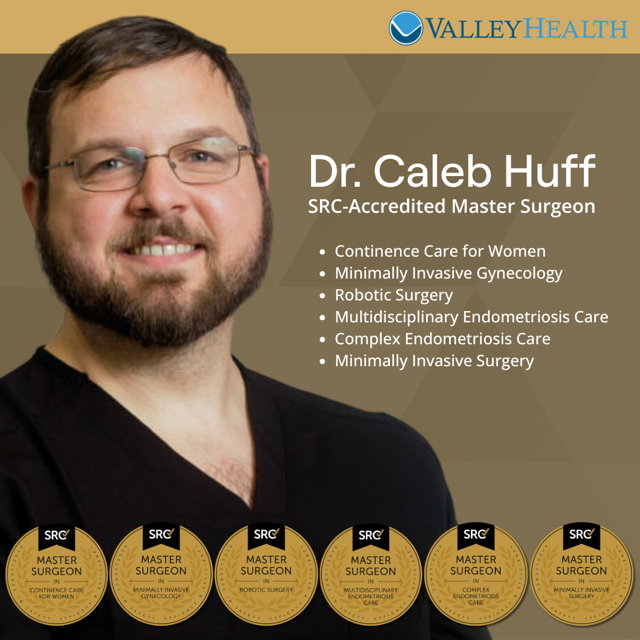
Dr. Caleb Huff
Dr. Caleb Huff
Dr. Caleb Huff, Endometriosis Specialist
Summary: Dr. Caleb Huff is a dedicated endometriosis specialist based in Huntington, West Virginia, USA. His care philosophy recognizes that while retrograde menstruation may contribute to endometriosis, it does not explain all cases. Dr. Huff considers a combination of factors—including vascular and lymphatic spread, coelomic metaplasia, and embryonal rest theories—to understand and address rarer manifestations of the disease.
Dr. Huff performs excision surgery, the gold standard for removing endometriosis lesions, and provides individualized care plans that balance surgical and medical management. He emphasizes that hormone therapies and medications are primarily palliative and tailors their use to reduce recurrence, manage coexisting conditions, or control residual disease.
Pain management is a key focus, using a multimodal, non-opioid-first approach and collaborating with other specialists when needed. Medications such as OCPs, progestin-only options, IUDs, NSAIDs, and, if necessary, GnRH agonists/antagonists are used strategically to control symptoms.
Dr. Huff provides evidence-based, compassionate care designed to help patients regain control over their health and quality of life.
City: Huntington, West Virginia, USA
Philosophy of Endometriosis Care: I think that most endometriosis results from retrograde menstruation, but this does not explain all of it. There must be a combination of causes to explain it all. Vascular and lymphatic spread, as well as coelomic metaplasia and embryonal rest theories, can help to explain some of the rarer locations.
What type of surgery do you perform for endometriosis: Excision
Medication: OCPs—both standard use and continuous use, progestin-only pills, Nexplanon, and Mirena IUD, all to help minimize symptoms. NSAIDs during painful days to reduce inflammation and menstrual bleeding. If these methods fail, or if the patient has pain after surgery, I will advance to the GnRH agonists/antagonists such as Lupron, Orilissa, and Myfembree.
Approach to Persistent Pain After Surgery: In these cases, I use the above-mentioned medications in different combinations to minimize pain. I also seek other specialties for possible cross-specialty causes, such as GI, urology, pelvic floor PT, counseling, exercise, and nutrition specialists.
