
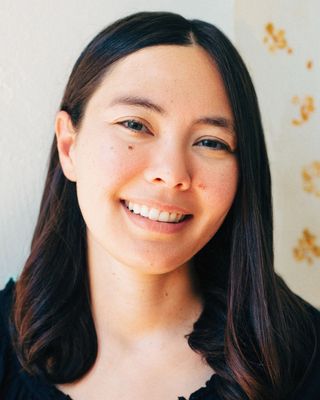
Laura Nolan, LCSW
Laura Nolan—Endometriosis Mental Health Therapist
Summary: Laura Nolan is an integrative somatic psychotherapist specializing in women’s health, endometriosis, chronic pelvic pain, trauma, and anxiety. She takes a personalized, trauma-informed approach that recognizes the complex interaction between physical symptoms, emotional well-being, nervous system regulation, and quality of life.
Laura holds an M.S.W. from San Francisco State University and a dual B.A. in American Studies and History from Scripps College, graduating magna cum laude. She is a Somatic Experiencing Practitioner (SEP) and has advanced training in several mind-body and trauma-focused approaches.
Her work integrates both “top-down” and “bottom-up” therapeutic approaches, including Cognitive Behavioral Therapy (CBT), Acceptance and Commitment Therapy (ACT), EMDR, Internal Family Systems (IFS – Level 3 trained), and Somatic Experiencing (SE). She also incorporates pain-focused approaches such as Pain Reprocessing Therapy (PRT) and Emotional Awareness and Expression Therapy (EAET), as well as clinical sexology, mindfulness, Pelvic Floor Yoga, and Qigong for women’s health when appropriate.
Laura’s approach to endometriosis care is warm, collaborative, and individualized, with an emphasis on helping clients develop greater nervous-system regulation, reduce the impact of chronic pain and stress, improve quality of life, and feel more grounded and connected in their bodies. She also works as a Behavioral Medicine Consultant at Kaiser Oakland, where services are available through referral from a primary care physician. Her private practice is separate from her Kaiser role.
City: Oakland, CA
Visit types: Virtual
Spoken languages: English
Interpreting services for other languages: No
Philosophy of Endometriosis Care: I am an integrative somatic psychotherapist specializing in women’s health, trauma, anxiety, chronic pelvic pain, and endometriosis. I incorporate a bio-psycho-social lens in my work, blending “top-down” approaches such as Cognitive Behavioral Therapy (CBT) and Acceptance and Commitment Therapy (ACT) with more “bottom-up” approaches including EMDR, Internal Family Systems (Level 3 trained by the IFS Institute), and Somatic Experiencing (SE). I incorporate therapeutic modalities demonstrated to reduce pain levels, including Pain Reprocessing Therapy (PRT), Emotional Awareness and Expression Therapy (EAET), clinical sexology, and mindfulness-based approaches. I also integrate components of Pelvic Floor Yoga (Leslie Howard) and Qigong for women’s health (Daisy Lee) as appropriate. For those navigating the challenges that come with endometriosis, having someone who can accompany you through the pain is essential. I understand the complexity of living with endometriosis. I offer a deeply personalized and intentional approach. My combined training and experience enables me to meet each person as they are. I offer warm, kind, and practical support. I focus on supporting quality of life and fostering overall well-being. It is possible to feel more connected, grounded, and at ease in your being.
What else should be known about your practice: This information is regarding my private practice. I am employed by Kaiser Oakland as an Behavioral Medicine Consultant, but these services are only available by referral from a primary care physician.
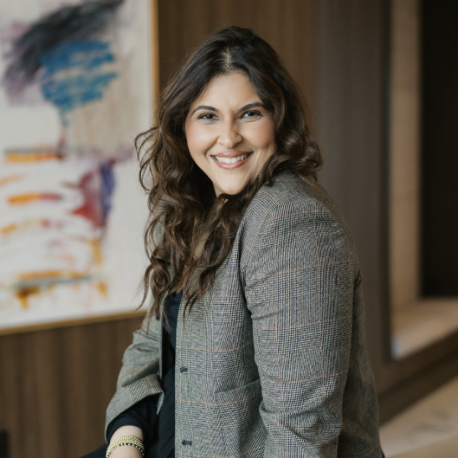
Sehrish Ali, PhD,LPC-S,CEDS-C
Sehrish Ali—Endometriosis Mental Health Therapist
Summary: Sehrish Ali, PhD, LPC-S, CEDS-C, is an endometriosis mental health therapist and founder of Guided Growth Therapy in Houston, Texas. Licensed in Texas, California, Colorado, North Carolina, and Ohio, she provides therapy in English and Urdu for adults navigating the emotional and psychological impact of endometriosis, chronic illness, trauma, and body image concerns. Dr. Ali specializes in working with high-functioning individuals who may appear successful externally while managing significant internal distress, chronic pain, medical challenges, or changes in their relationship with their body.
Her approach is integrative, trauma-informed, and evidence-based, drawing from Acceptance and Commitment Therapy (ACT), Cognitive Behavioral Therapy (CBT), Dialectical Behavior Therapy (DBT), EMDR, and IFS-informed interventions. She recognizes the complex connection between chronic pain, medical experiences, identity, relationships, fertility, intimacy, and emotional well-being. Treatment is tailored to each client’s unique needs and may focus on coping with chronic pain and uncertainty, processing medical trauma, strengthening self-advocacy, improving psychological flexibility, and addressing anxiety, depression, and body image concerns.
In addition to her expertise in endometriosis care, Dr. Ali has specialized training as a Certified Eating Disorders Specialist Consultant (CEDS-C), bringing valuable insight into how chronic illness can affect food, movement, self-image, and trust in the body. She values a collaborative, whole-person approach and, with client consent, works closely with physicians, dietitians, and other healthcare providers to ensure mental health care is integrated with broader medical treatment. Her goal is to help clients feel understood, supported, and empowered without reducing their experiences to a diagnosis.
City: Houston, TX
Visit types: Virtual
Spoken languages: English and Urdu
Interpreting services for other languages: No
Philosophy of Endometriosis Care: My approach is integrative and evidence-based, drawing primarily from Acceptance and Commitment Therapy (ACT), Cognitive Behavioral Therapy (CBT), Dialectical Behavior Therapy (DBT), EMDR, and IFS-informed interventions. When working with individuals with endometriosis, I take a trauma-informed, person-centered approach that recognizes the complex relationship between chronic pain, medical experiences, identity, relationships, body image, and emotional well-being. Treatment is individualized based on each client’s needs and may include developing skills for coping with chronic pain and uncertainty, increasing psychological flexibility, addressing anxiety or depressive symptoms, processing medical trauma, strengthening self-advocacy, and exploring changes in body image, intimacy, relationships, fertility, or identity. I also help clients distinguish between what can be changed and what may require acceptance without minimizing the very real physical and emotional impact of endometriosis. When appropriate and with client consent, I value collaboration with medical and other healthcare providers to support integrated, whole-person care.
What else should be known about your practice: I work primarily with high-functioning adults who may appear to be doing well externally while managing significant distress, chronic illness, trauma, perfectionism, or changes in their relationship with their body. I also have specialized training and experience in eating disorders and body image, which often allows me to bring an additional lens to the ways chronic illness can affect identity, food, movement, self-image, and a person’s sense of trust in their body. My practice is intentionally individualized and collaborative. I value helping clients feel understood without reducing their experience to a diagnosis, and I am particularly mindful of the impact that repeated medical appointments, uncertainty, and experiences of not being believed can have over time. When appropriate, I also value collaboration with physicians, dietitians, and other members of a client’s treatment team so that mental health care is integrated with their broader medical care.
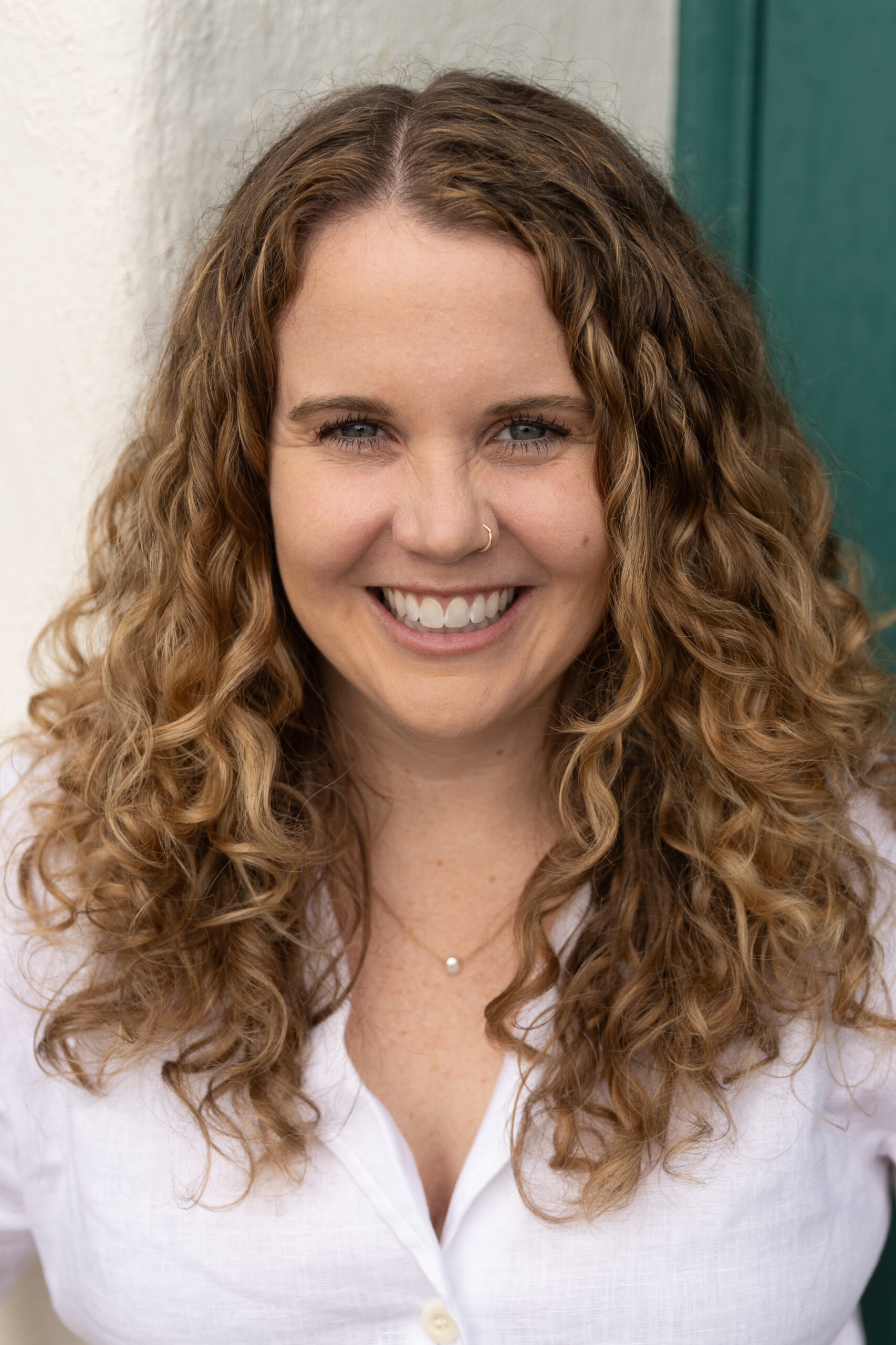
Melissa McCormick, LMFT
Melissa McCormick—Endometriosis Mental Health Therapist
Summary: Melissa McCormick, MA, LMFT, is a licensed marriage and family therapist and owner of Alignment Mental Health, based in San Diego, specializing in endometriosis, chronic pelvic pain, and trauma-informed mental health care. Melissa McCormick provides compassionate, evidence-based therapy grounded in somatic and nervous system–focused approaches, helping individuals with endometriosis regulate chronic hypervigilance, reduce anxiety and depression, and reconnect with a sense of safety in their bodies. Her clinical philosophy integrates Somatic Experiencing, EMDR, and Internal Family Systems (IFS), with advanced training through organizations including EMDRIA and The Embody Lab. Melissa McCormick earned her Master of Arts in Marriage and Family Therapy from Bethel Seminary San Diego and her Bachelor of Arts in Psychology from San Diego State University. Licensed in California, Colorado, and Indiana, she offers therapy that honors the mind-body connection and supports clients in reducing trauma-related symptoms, improving emotional resilience, and enhancing overall quality of life. Her person-centered, trauma-informed approach empowers individuals with endometriosis to move from survival mode toward greater regulation, healing, and long-term well-being through virtual care.
City: San Diego, CA
Visit types: Virtual
Spoken languages: English
Interpreting services for other languages: No
Philosophy of Endometriosis Care: I use a somatic and trauma informed approach to care. I lean on somatic experiencing, EMDR, and IFS as my theoretical orientation. With clients with endometriosis, a significant aspect of our work is nervous system regulation. Through somatic and other body based interventions, we work to decrease the pattern of chronic hyper vigilance and flight or flight responses. Through this, the client is able to access more safety in their body which creates a feedback loop to help decrease symptoms such as anxiety and depression.
What else should be known about your practice: I also have specialized training and a decade of experience in disordered eating. Adding this speciality can be of benefit to chronic illness clients because the connection between disordered eating and illness is often missed. Offering grounded support for managing endo while keeping in mind the increased risk of body dysmorphia and other anxiety related coping strategies related to food can help clients avoid additional struggles and diagnoses.
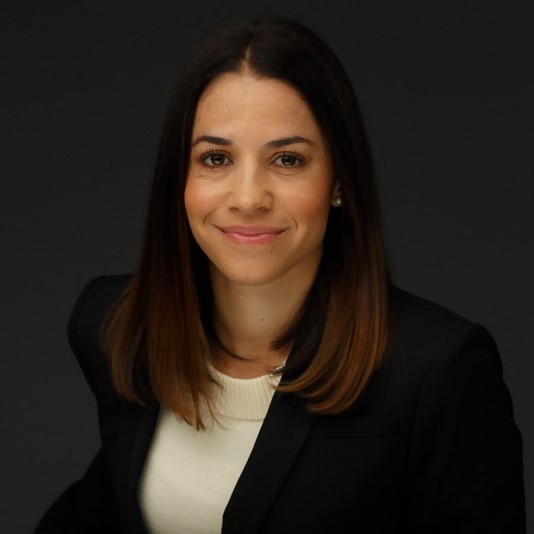
Ana Arteaga-Biggs, PsyD
Ana Arteaga-Biggs, PsyD
Ana Arteaga-Biggs—Endometriosis Psychologist
Summary: Ana Arteaga-Biggs, PsyD, is a licensed clinical psychologist based in San Diego, California, specializing in women’s health, endometriosis, and chronic pelvic pain. Ana Arteaga-Biggs offers compassionate, evidence-based care tailored to each patient’s unique experience with endometriosis and related mental health challenges. Fluent in English and Spanish, she integrates cognitive behavioral and humanistic-existential approaches, addressing the psychological, cultural, and emotional impacts of living with chronic pain and infertility. Ana supports patients in managing pain, trauma, grief, and relationship difficulties, fostering a safe space to explore goals and promote healing. Her person-centered philosophy emphasizes empathy and understanding, helping individuals navigate the complex journey of endometriosis with hope and resilience. Ana Arteaga-Biggs provides both in-person and virtual visits, ensuring accessible support for those facing the multifaceted challenges of this condition.
City: San Diego, CA
Visit types: Office/Hospital; Virtual
Spoken languages: English and Spanish (native fluency)
Interpreting services for other languages: No
Philosophy of Endometriosis Care: My treatment approach is integrative, most heavily influenced by evidence-based, person-centered, cognitive behavioral, and humanistic-existential theories. I address unique cultural experiences and various psychological systems that may be contributing to your presenting concerns through an intersectional lens. I approach each patient with endometriosis as an individual with their own unique experiences and needs. I remain empathic, open, and curious to understand all the areas of life that endometriosis has impacted their lives to help each patient identify their goals for treatment. I use evidence-based techniques to manage pain, address grief and trauma resulting from seeking a diagnosis, medical treatment, and navigate work/relationship difficulties from living with this painful disease.
