
Celine Loiselle, OTR
Celine Loiselle, OTR
Celine Loiselle—Endometriosis Physical Therapist
Summary: Celine Loiselle, OTR, is a skilled endometriosis occupational therapist at Pelvic Health and Rehabilitation Center in Lexington, Massachusetts. Celine Loiselle specializes in a whole-person approach to endometriosis care, recognizing the condition’s impact on both physical and mental well-being. Her treatment philosophy integrates evidence-based techniques such as myofascial release, trigger point therapy, visceral mobilization, and soft tissue desensitization to address pain and dysfunction at their source.
Celine Loiselle also incorporates mindfulness education, nutrition and hydration guidance, and Pilates-based therapeutic exercises to support functional recovery and improve daily participation. With a strong foundation in exercise physiology and occupational therapy, she designs individualized care plans that empower patients to better understand their bodies and actively manage their symptoms.
Committed to long-term healing, Celine Loiselle fosters confidence and self-efficacy in her patients, helping them build sustainable strategies for symptom relief and improved quality of life. Her compassionate, patient-centered care ensures a supportive environment where individuals with endometriosis can regain control and thrive.
City: Lexington, Massachusetts, USA
Visit types: Office, Hospital
Spoken languages: English
Interpreting services for other languages: No
Philosophy of Endometriosis Care: I believe endometriosis is a whole-person diagnosis that impacts not only the body, but also the mind. My treatment approach to endometriosis is desensitization of soft tissues, myofascial release, trigger point release, visceral mobilization, mindfulness education, nutrition and hyradation education, and pilates-based therapeutic exercises to reduce the impact of symptoms on participation with daily activities. I want people with endometriosis to feel empowered regarding their diagnosis and confidence with implementation of various strategies for long-term healing and self-management.
What should be known about you and your practice: I have a special interest in trauma-informed and gender-affirming care, and work regularly with trans clients, including those with endometriosis.
Melissa McCormick, LMFT
Melissa McCormick—Endometriosis Mental Health Therapist
Summary: Melissa McCormick, MA, LMFT, is a licensed marriage and family therapist and owner of Alignment Mental Health, based in San Diego, specializing in endometriosis, chronic pelvic pain, and trauma-informed mental health care. Melissa McCormick provides compassionate, evidence-based therapy grounded in somatic and nervous system–focused approaches, helping individuals with endometriosis regulate chronic hypervigilance, reduce anxiety and depression, and reconnect with a sense of safety in their bodies. Her clinical philosophy integrates Somatic Experiencing, EMDR, and Internal Family Systems (IFS), with advanced training through organizations including EMDRIA and The Embody Lab. Melissa McCormick earned her Master of Arts in Marriage and Family Therapy from Bethel Seminary San Diego and her Bachelor of Arts in Psychology from San Diego State University. Licensed in California, Colorado, and Indiana, she offers therapy that honors the mind-body connection and supports clients in reducing trauma-related symptoms, improving emotional resilience, and enhancing overall quality of life. Her person-centered, trauma-informed approach empowers individuals with endometriosis to move from survival mode toward greater regulation, healing, and long-term well-being through virtual care.
City: San Diego, CA
Visit types: Virtual
Spoken languages: English
Interpreting services for other languages: No
Philosophy of Endometriosis Care: I use a somatic and trauma informed approach to care. I lean on somatic experiencing, EMDR, and IFS as my theoretical orientation. With clients with endometriosis, a significant aspect of our work is nervous system regulation. Through somatic and other body based interventions, we work to decrease the pattern of chronic hyper vigilance and flight or flight responses. Through this, the client is able to access more safety in their body which creates a feedback loop to help decrease symptoms such as anxiety and depression.
What else should be known about your practice: I also have specialized training and a decade of experience in disordered eating. Adding this speciality can be of benefit to chronic illness clients because the connection between disordered eating and illness is often missed. Offering grounded support for managing endo while keeping in mind the increased risk of body dysmorphia and other anxiety related coping strategies related to food can help clients avoid additional struggles and diagnoses.

Melissa Goode, MPH, RDN
Melissa Goode, MPH, RDN
Melissa Goode—Endometriosis Dietitian
Summary: Melissa Goode is a compassionate endometriosis dietitian and Registered Dietitian Nutritionist (RDN) practicing at Goode Nutrition LLC in Sacramento, California. Melissa Goode provides client-centered, non-diet nutrition care for people living with endometriosis, grounded in both evidence-based practice and lived experience — as she also lives with endometriosis herself. Her approach prioritizes individualized strategies over one-size-fits-all diets, focusing on inflammation support, blood sugar regulation, gastrointestinal health, eating enough across all food groups, and sustainable symptom management. Melissa Goode works collaboratively with patients and other healthcare providers to advocate for comprehensive, whole-person care. She helps clients improve quality of life, build body trust, and feel more connected to their bodies through flexible nutrition approaches that honor each person’s unique experience. Licensed in CA, AZ, CO, TX, NY, NJ, MI, CT, VA, and AK, Melissa Goode offers supportive endometriosis nutrition care designed to empower patients and integrate seamlessly into a broader endometriosis treatment plan.
Visit Type: Office
City: Sacramento, CA
Spoken languages: English
Interpreting services for other languages: No
Dr. Aaron Parry, II, MD, FACOG
Dr. Aaron Parry, II, MD, FACOG
Dr. Aaron Parry, II, MD, FACOG, Endometriosis Specialist
Summary:
Philosophy of Endometriosis Care: Coelomic metaplasia theory of endometriosis
What type of surgery do you perform for endometriosis: Excision
Medication: I recommend a wide of medications in the treatment and management of endometriosis. First line therapies are non-steroidal anti-inflammatory drugs, progestins, and oral contraceptives. I strongly encourage oral progestins and progestin containing IUDs for medical treatment and post operative suppressive therapy. GnRH antagonists are used in my practice as well although not as commonly. I will use these medications when a patient did not respond to other medical therapies in the past. Further, I will incorporate gabapentin for neuropathic pain infrequently as well.
Approach to Persistent Pain After Surgery: Once a physician-patient relationship is made, I continue to follow my patients throughout their life, navigating this chronic disease. I strongly recommend post operative suppressive therapy with either OCPs, progestins (of various forms) and GnRH antagonists. I commonly will use what a patient has tolerated in the past to guide my therapy. Although I strongly recommend post operative therapy, I do respect the decision of the patient if she does not want post operative therapy. If symptoms recur post operatively, I will continue to evaluate for other causes of pelvic pain as well as make the appropriate referrals to urology, gastroenterology or pain management as needed. I commonly recommend post operative pelvic floor physical therapy before and after excision surgery, along with dietary counseling to avoid triggers of symptoms.
Dr. Madhu Bagaria
Dr. Madhu Bagaria, MD
Dr. Madhu Bagaria, MD, Double-Fellowship Trained Endometriosis Specialist
Summary: Dr. Madhu Bagaria is a board-certified, double-fellowship trained endometriosis specialist providing comprehensive, evidence-based care for patients with complex and persistent endometriosis. As a core surgeon at Endometriosis Surgical Specialists International (ESSI) and affiliated with Hoboken University Hospital and The Jersey City Medical Center, Dr. Bagaria offers a unique combination of elite surgical training and accessible care, with new patient consultation wait times averaging just 1-2 weeks.
Dr. Bagaria is one of the few specialists in the region to have completed two prestigious fellowships in advanced gynecologic surgery: a fellowship in Advanced Pelvic Surgery at Emory University (2014-2015) and a second specialized fellowship in Minimally Invasive Gynecology at the Mayo Clinic (2021-2023). This rigorous training under world-renowned mentors allows her to perform high-precision Robotic Excision (LAPEX), focusing on the complete removal of disease while strictly preserving ovarian function and fertility.
Her care philosophy is grounded in the understanding that endometriosis is a heterogeneous, multi-origin disease. She treats patients based on advanced scientific models including neuroimmunological dysfunction, genetic predisposition, embryonic rest theory, and immune-mediated inflammation. Beyond the operating room, she is known for her compassionate, “patient-first” approach—listening to those who have been dismissed by other providers. Treatment emphasizes a multimodal, non-opioid approach, integrating pelvic floor therapy and neuro-modulation for complex pain.
Dr. Bagaria completed her medical training at Lady Hardinge Medical College in New Delhi, followed by residency training at University College of Medical Sciences (India) and Henry Ford Hospital & Wayne State University in Detroit, Michigan (2010-2014). With over 15 years of experience and extensive international training, she serves patients in the New York Tri-State area seeking expert excision surgery and long-term management.
City: New York, New York, USA (Also serving Hoboken & Jersey City, NJ)
Philosophy of Endometriosis Care: My approach to the treatment of endometriosis is grounded in the understanding that endometriosis is a multi-origin, heterogeneous disease, rather than a condition explained by a single theory. While retrograde menstruation may contribute in some patients, it clearly has significant limitations and does not explain endometriosis in premenarchal girls, cisgender men, or patients who develop disease after hysterectomy. My care philosophy is informed by multiple scientific theories of origin, including neuroimmunological dysfunction, coelomic metaplasia, embryonic rest theory, hematogenous and lymphatic spread, stem cell involvement, and genetic predisposition. I also recognize that endometriosis may, in part, be immune-mediated, with abnormal inflammatory and pain-processing pathways contributing to disease persistence and symptom severity. Because of this complexity, I believe that pain in endometriosis is often multifactorial. It may arise not only from active lesions, but also from central sensitization, pelvic floor dysfunction, neuropathic pain, adenomyosis, and overlapping pain syndromes. As a result, listening carefully to the patient’s experience and performing a thoughtful, detailed examination are just as important as imaging or surgical findings.
What type of surgery do you perform for endometriosis: When surgery is indicated, my goal is complete excision of endometriosis rather than ablation, with careful attention to fertility preservation and long-term symptom reduction. I perform robotic-assisted excision (LAPEX), fertility-sparing surgery, and complex adhesiolysis, tailoring the surgical plan to disease extent and patient goals.
Medication: I incorporate medications as part of a multimodal, patient-centered treatment strategy, using them to support symptom control rather than as curative therapy. For hormonal management, I primarily use combined oral contraceptive pills (OCPs) and the levonorgestrel (Mirena) IUD, most often after excision surgery to reduce recurrence and manage coexisting adenomyosis. Therapy is individualized based on patient goals, fertility plans, and prior response. I generally avoid routine use of GnRH agonists or antagonists, reserving them for select cases.
Approach to Persistent Pain After Surgery: Pain management follows a non-opioid–first approach, including NSAIDs, acetaminophen, neuropathic agents, and low-dose naltrexone (LDN) when appropriate. Opioids are limited to short-term postoperative use only. For pelvic floor–related pain, I collaborate with pelvic floor physical therapy and use pelvic floor botulinum toxin (Botox) injections in refractory cases to treat hypertonic muscles. Medication use is regularly reassessed, with treatment adjusted based on response and evolving patient needs.
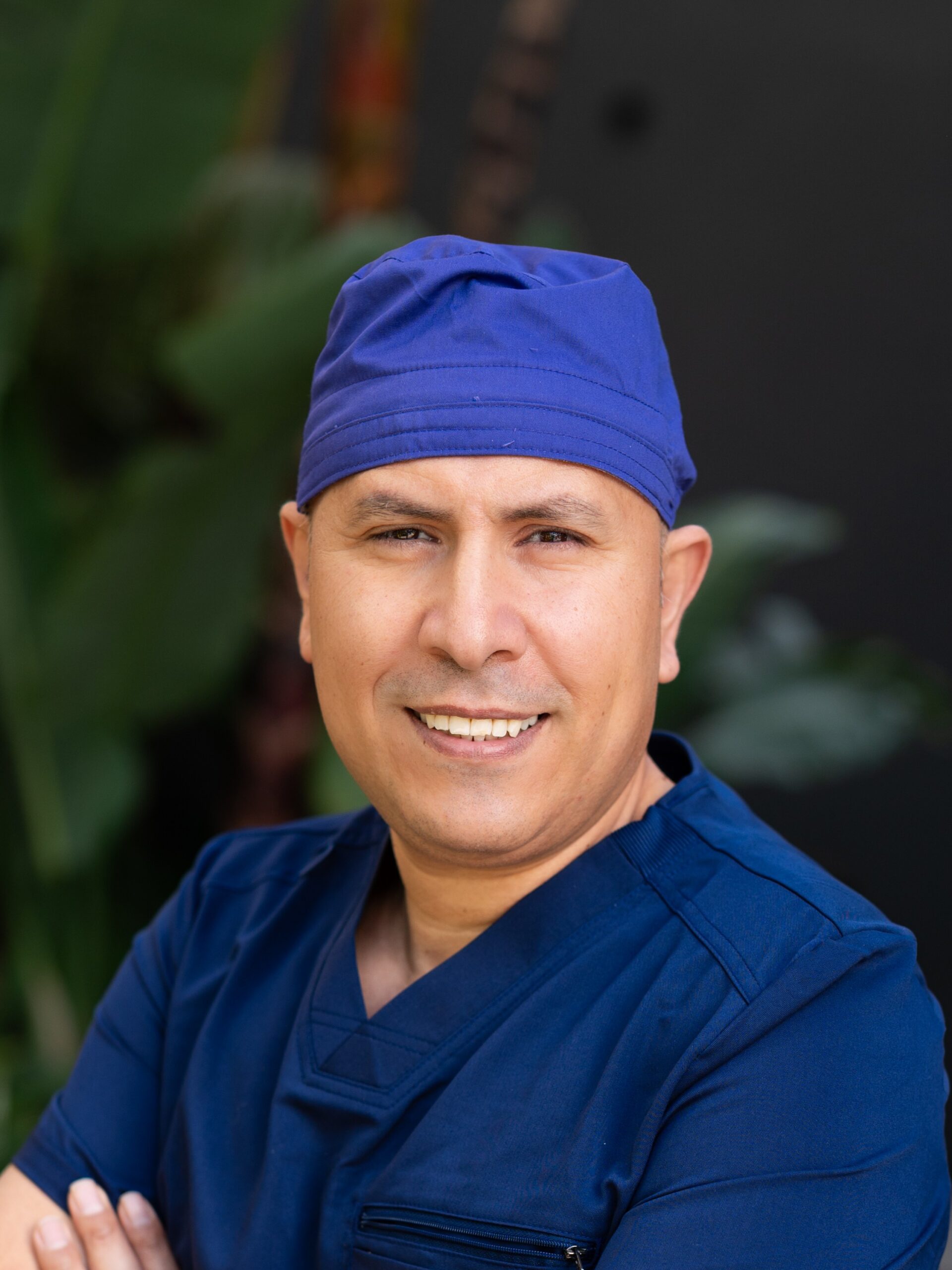
Dr. Salman Okour
Dr. Salman Okour, MD
Dr. Salman Okour, MD, Endometriosis Specialist
Summary:
Dr. Salman Okour, is a trusted endometriosis specialist in Newport Beach, California, affiliated with the Southern California Center for Advanced Gynecology / Coast OBGYN. He provides comprehensive, patient-centered care for individuals with complex pelvic pain and endometriosis, combining advanced diagnostics with individualized treatment plans focused on long-term symptom relief, quality of life, and reproductive goals.
Dr. Okour’s philosophy of endometriosis care recognizes the multifactorial nature of the disease, including retrograde menstruation, coelomic metaplasia, and metastatic theories. He specializes in excision surgery for endometriosis, emphasizing precise and complete removal of disease. For patients who prefer non-surgical options or require adjunctive therapy, he utilizes progesterone, combined oral contraceptives, oral GnRH antagonists, and selective use of Lupron, particularly after endometrioma surgery, in adenomyosis prior to embryo transfer, and in select postoperative cases.
For patients experiencing persistent pain after endometriosis surgery, Dr. Okour employs a multidisciplinary approach that may include pelvic floor physical therapy, pain management strategies, hormonal suppression, tricyclic antidepressants (TCAs), and gabapentin. His integrative, evidence-based approach makes him a leading provider of advanced endometriosis care in Southern California.
Dr. Salman Okour, MD is a trusted Endometriosis Specialist in Newport Beach, California, affiliated with the Southern California Center for Advanced Gynecology / Coast OBGYN. He provides comprehensive, patient-centered care for individuals with complex pelvic pain and endometriosis, combining advanced diagnostics with individualized treatment plans focused on long-term symptom relief, quality of life, and reproductive goals.
Dr. Okour’s philosophy of endometriosis care recognizes the multifactorial nature of the disease, including retrograde menstruation, coelomic metaplasia, and metastatic theories. He specializes in excision surgery for endometriosis, emphasizing precise and complete removal of disease. For patients who prefer non-surgical options or require adjunctive therapy, he utilizes progesterone, combined oral contraceptives, oral GnRH antagonists, and selective use of Lupron, particularly after endometrioma surgery, in adenomyosis prior to embryo transfer, and in select postoperative cases.
For patients experiencing persistent pain after endometriosis surgery, Dr. Okour employs a multidisciplinary approach that may include pelvic floor physical therapy, pain management strategies, hormonal suppression, tricyclic antidepressants (TCAs), and gabapentin. His integrative, evidence-based approach makes him a leading provider of advanced endometriosis care in Southern California.
City: Newport Beach, California, USA
Philosophy of Endometriosis Care: Possibly multiple etiologies, retrograde menstruation may play a role in addition to coelomic metaplasia ,metastatic theory also explains some lesions.
What type of surgery do you perform for endometriosis: Excision & Ablation. Excision is preferred standard approach, ablation may have a role in managing endometriomas in younger patients seeking fertility to minimize a significant drop in DOR,
Medication: I do use progesterone, combined Birth control pills, oral GnRH Antagonists, and rarely lupron. I use them in patients who decline or prefer to avoid surgery, also after endometrioma surgery, in adenomyosis preparing for embryo transfer, also in some postoperative patients.
Approach to Persistent Pain After Surgery: Pelvic floor therapy, pain management, hormonal suppressions, TCA, Gabapentin.
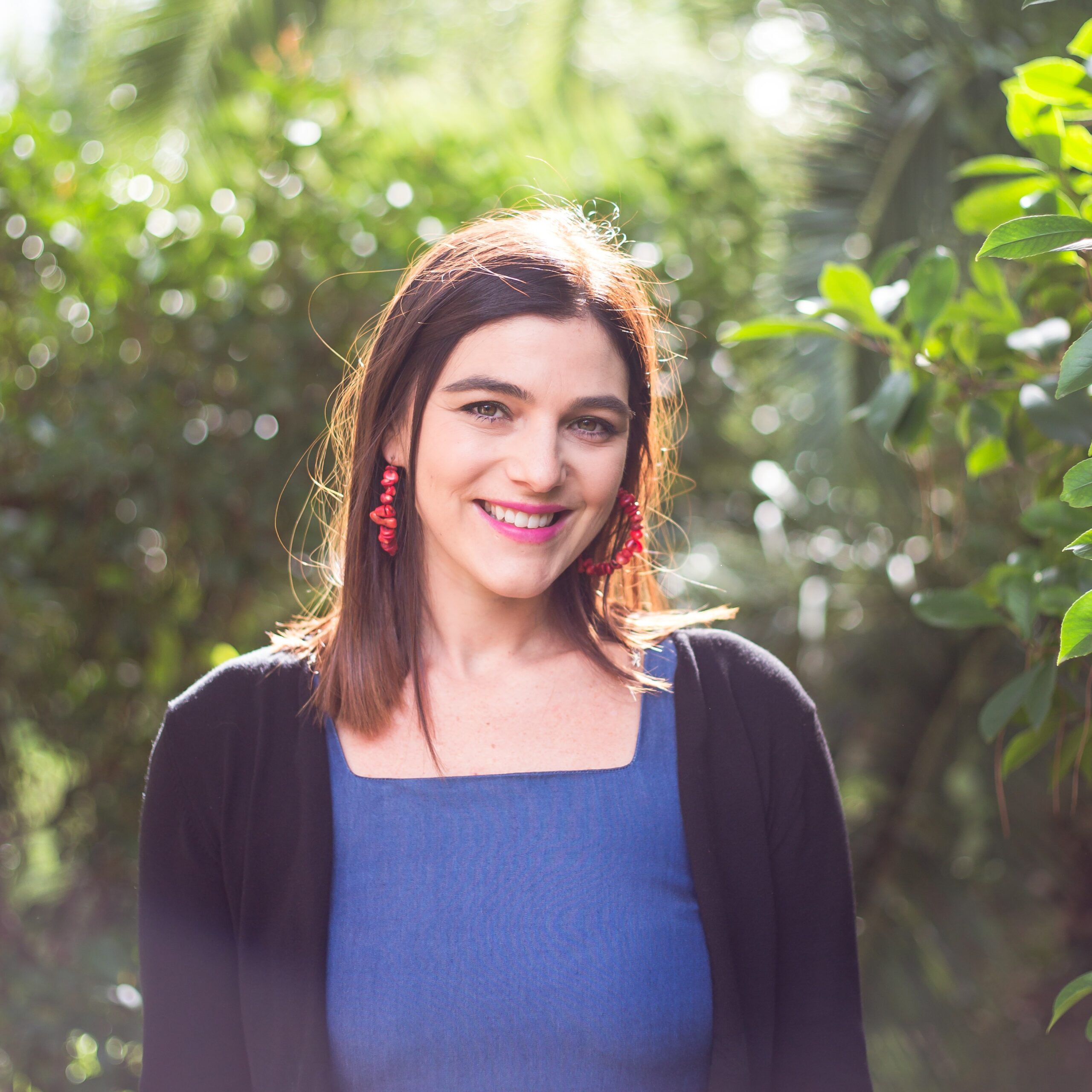
Emily Klein, LAc
Emily Klein, LAc
Emily Klein—Endometriosis Acupuncturist
Summary: Emily Klein, LAc, is a skilled endometriosis acupuncturist offering care at Glow Natural Wellness in Seattle, Washington. Emily Klein takes a compassionate, patient-centered approach to supporting individuals with endometriosis and pelvic pain. She offers flexible evaluation pathways: one focused on symptom management, and another providing a comprehensive review of health, lifestyle, and contributing factors within her scope of practice. With extensive training in integrative medicine and evidence-informed acupuncture, Emily tailors each treatment to the unique needs of the individual, aiming not only to relieve pain and inflammation but also to restore balance, resilience, and a sense of agency in the body. She empowers patients through thoughtful, personalized care plans that address both immediate symptoms and underlying imbalances, creating a safe, nurturing space where individuals feel heard, supported, and actively involved in their healing journey.
City: Seattle Washington, USA
Spoken languages: English and Spanish
Interpreting services for other languages: No
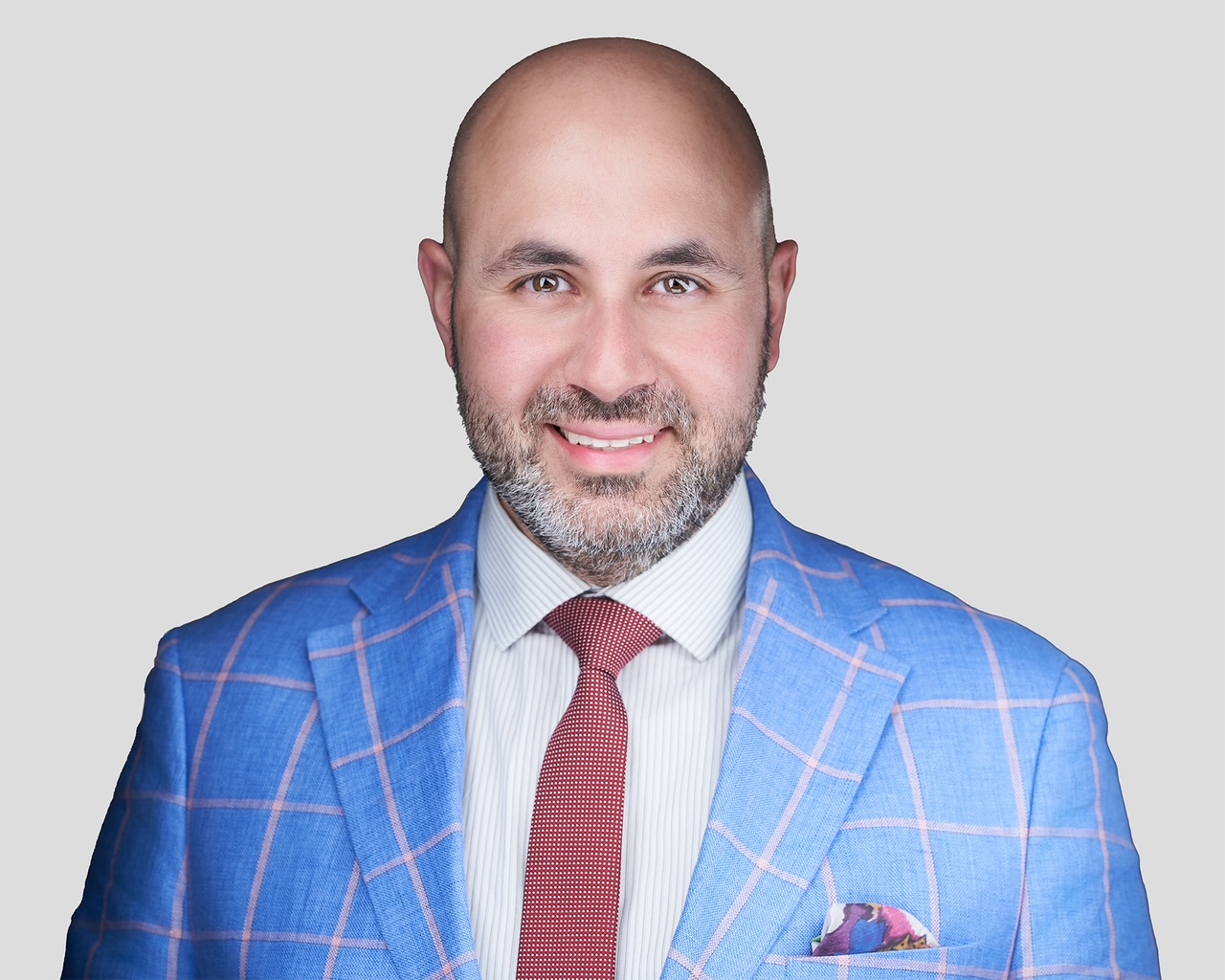
Dr. Faraj Touchan, MD, FACOG, MIGS
Dr. Faraj Touchan, MD, FACOG, MIGS
Dr. Faraj Touchan, Endometriosis Specialist
Summary: Dr. Faraj Touchan is a highly regarded, endometriosis specialist, Robotic and minimally invasive gynecologic surgeon based in New Jersey and New York in USA, With advanced laparoscopic, robotic, and ultrasound expertise, he brings extensive training from his long hard training. His evidence-based philosophy recognizes endometriosis as a multifactorial condition influenced by Müllerian metaplasia, retrograde menstruation with immune dysfunction, stem/progenitor cell activity, genetic and epigenetic factors, and potential autoimmune origins. This comprehensive understanding allows him to tailor precise, individualized treatment plans.
Patients searching for expert care from Faraj Touchan MD will benefit from his commitment to holistic, personalized treatment that goes beyond surgery.
As an endometriosis specialist, Dr. Touchan performs excision surgery—the gold standard for removing endometriosis—and balances surgical and medical therapies to optimize outcomes.
Dr. Touchan believes that Endometriosis is whole body disease and need to be treated as such, also believes that it is lifelong battle that he will be there for the patient needs. For persistent pain after surgery, he uses multimodal strategies and collaborates with GI, urology, pelvic floor physical therapy, counseling, exercise, and nutrition specialists to address all contributors to pelvic pain.
With his collaboration with Pelvic Rehabilitation Medicine, he believes that Nerve and pelvic floor muscles rehabilitation is key for success and longtime results. Dr. Touchan is dedicated to providing compassionate, comprehensive care that helps patients reclaim their health and quality of life.
City: New Jersey, New York USA
Philosophy of Endometriosis Care: My approach to treating endometriosis is grounded in a multifactorial understanding of its origin, rather than relying on a single historical theory. Current scientific evidence suggests that endometriosis likely develops through several overlapping mechanisms, and acknowledging this complexity allows me to offer more precise, individualized care. Specifically, I integrate the following theories into my clinical and surgical decision-making: 1. Müllerian (Embryonic) Rests / Metaplasia Theory. 2. Retrograde Menstruation with Immune Dysfunction. 3. Stem Cell / Progenitor Cell Theory 4. Genetic and Epigenetic Susceptibility 5. autoimmune origin.
What type of surgery do you perform for endometriosis: Excision
Medication: His approach to endometriosis has to be holistic and address not only the disease itself but also potentially associated conditions. At this time, since we do not have medical options for curing endometriosis, the first essential step in the treatment of endometriosis is excision surgery. Additionally, Dr. Touchan rely on Hormones, preferably progestins either orally or in the form of IUD to control bleeding or adenomyosis-related factors, if present. He does rely on GnRH agonists or antagonists in very selective cases. Depending on the patient’s pain generators, I may also recommend non-opioid pain medication, such as NSAIDs, gabapentin, SNRIs, and compounded suppositories.
Approach to Persistent Pain After Surgery: My approach to persistent symptoms after surgery is to reassess all potential pain generators—not only residual endometriosis but also pelvic floor dysfunction, adenomyosis, bladder/bowel disorders, and neuropathic pain. I set clear expectations about the normal 3–6 month healing window and use targeted therapies such as hormonal suppression, pelvic floor PT, neuromodulators, and anti-inflammatory strategies when appropriate. I focus on a multidisciplinary, individualized plan and reserve repeat surgery only for cases with clear evidence of residual or progressive disease. Using PRM post op injections to combine excision surgery and nerve and muscle relief is key in treatment.
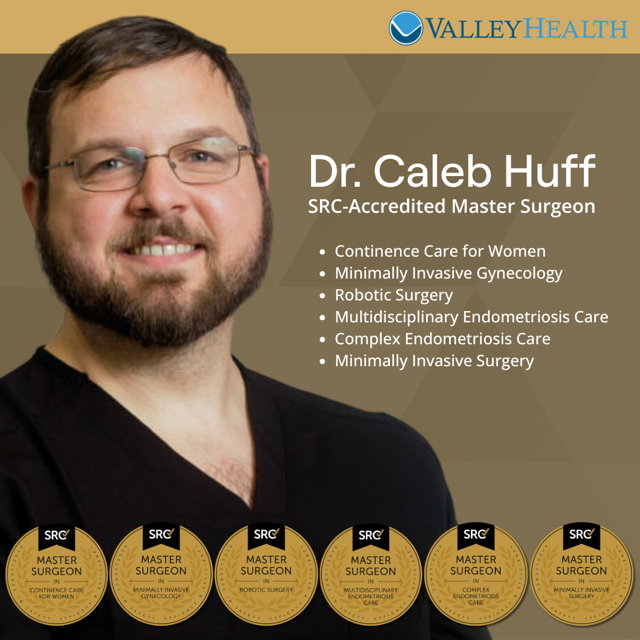
Dr. Caleb Huff
Dr. Caleb Huff
Dr. Caleb Huff, Endometriosis Specialist
Summary: Dr. Caleb Huff is a dedicated endometriosis specialist based in Huntington, West Virginia, USA. His care philosophy recognizes that while retrograde menstruation may contribute to endometriosis, it does not explain all cases. Dr. Huff considers a combination of factors—including vascular and lymphatic spread, coelomic metaplasia, and embryonal rest theories—to understand and address rarer manifestations of the disease.
Dr. Huff performs excision surgery, the gold standard for removing endometriosis lesions, and provides individualized care plans that balance surgical and medical management. He emphasizes that hormone therapies and medications are primarily palliative and tailors their use to reduce recurrence, manage coexisting conditions, or control residual disease.
Pain management is a key focus, using a multimodal, non-opioid-first approach and collaborating with other specialists when needed. Medications such as OCPs, progestin-only options, IUDs, NSAIDs, and, if necessary, GnRH agonists/antagonists are used strategically to control symptoms.
Dr. Huff provides evidence-based, compassionate care designed to help patients regain control over their health and quality of life.
City: Huntington, West Virginia, USA
Philosophy of Endometriosis Care: I think that most endometriosis results from retrograde menstruation, but this does not explain all of it. There must be a combination of causes to explain it all. Vascular and lymphatic spread, as well as coelomic metaplasia and embryonal rest theories, can help to explain some of the rarer locations.
What type of surgery do you perform for endometriosis: Excision
Medication: OCPs—both standard use and continuous use, progestin-only pills, Nexplanon, and Mirena IUD, all to help minimize symptoms. NSAIDs during painful days to reduce inflammation and menstrual bleeding. If these methods fail, or if the patient has pain after surgery, I will advance to the GnRH agonists/antagonists such as Lupron, Orilissa, and Myfembree.
Approach to Persistent Pain After Surgery: In these cases, I use the above-mentioned medications in different combinations to minimize pain. I also seek other specialties for possible cross-specialty causes, such as GI, urology, pelvic floor PT, counseling, exercise, and nutrition specialists.
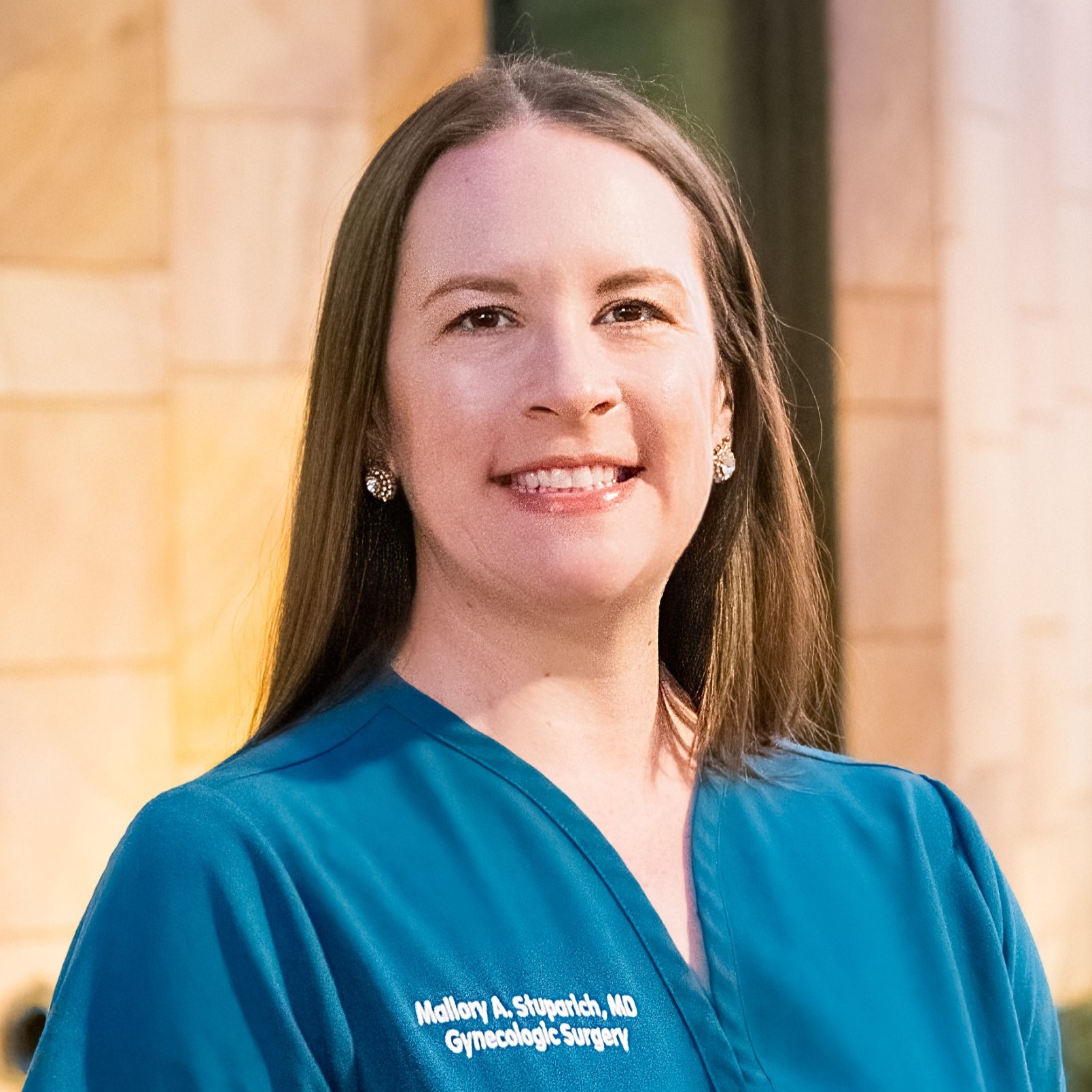
Dr. Mallory Stuparich
Dr. Mallory Stuparich
Dr Mallory Stuparich – Endometriosis Specialist
Summary: Dr Mallory Stuparich is a leading endometriosis specialist based in Los Alamitos, California, USA. Her care philosophy is grounded in multiple scientific theories, including neuroimmunological origins, coelomic metaplasia, hematogenous and lymphatic spread, and genetic predisposition. While retrograde menstruation may play a role, Dr Mallory Stuparich emphasizes that the theory of retrograde menstruation clearly has limitations, and Dr Mallory Stuparich emphasizes that it does not fully explain cases in premenarchal girls, cisgender men, or post-hysterectomy patients.
Dr Mallory Stuparich performs excision surgery, the gold standard for removing endometriosis lesions. She provides honest, thorough discussions about treatment options, especially the limitations of hormone therapy and medications like birth control and GnRH agonists/antagonists. These therapies are palliative and symptom-focused, not curative, and often come with side effects that limit long-term use.
Post-surgery, Dr Mallory Stuparich discusses hormone therapy in three key scenarios: reducing the recurrence of endometriomas, managing symptoms from coexisting adenomyosis, or supporting patients seeking additional symptomatic management of presumed occult disease. Each treatment plan is customized based on the patient’s needs and goals.
Dr Stuparich also prioritizes comprehensive pain management using a multimodal, non-opioid-first approach. She utilizes NSAIDs, acetaminophen, gabapentin, SNRIs, muscle relaxants, and suzetrigine, prescribing opioids only for short-term postoperative relief.
Persistent pain is addressed proactively. Starting at the first consultation, Dr Mallory Stuparich evaluates all pain sources, not just endometriosis. She creates individualized plans and revisits them if symptoms persist beyond six months post-surgery, coordinating care with other specialists when needed.
Trained at the University of Texas Southwestern Medical Center, Dr Mallory Stuparich offers compassionate, evidence-based endometriosis care, helping patients regain control over their health and quality of life.
What type of surgery do you perform for endometriosis: Excision
Medication: Medications for endometriosis (e.g., hormone therapy like birth control as well as GnRH agonists/antagonists) are palliative, meaning that they are aimed at symptom management. There is no guarantee that medications will directly affect the disease itself. It is crucial to discuss this very significant limitation in a fully informed consent discussion with each patient. Additionally, for GnRH agonists and antagonists, their side effect profile and regulatory guidelines associated with the medications preclude their use for extended periods of time, so in many cases, risks quickly outweigh benefits for the patients. Postoperatively, I discuss the role of hormone therapy in three circumstances:
1. Patients who have endometriomas may benefit from ovulation suppression through the use of hormone therapy in an effort to reduce the formation of future endometriomas
2. Patients who still have a uterus affected by adenomyosis may experience symptomatic improvement
3. Patients who have undergone excision, understanding that no surgeon can guarantee a complete excision, and want to exhaust every resource in symptomatically managing any presumed occult disease. The decision to use hormone therapy postoperatively is always an individual decision, and I assist in guiding my patients to the best decision for them.
Pain management, and especially pain management after surgery, is critical. I prioritize the use of non-opioid pain medications and approach pain management in a multi-modal fashion. Medications that I have used for pain management for patients include, but are not limited to, NSAIDs, acetaminophen, gabapentin, SNRIs, muscle relaxants, and Journavx (suzetrigine, a sodium channel blocker). I prescribe opioids for postoperative pain management. I do not prescribe long-term opioids in my practice.
Approach to Persistent Pain After Surgery: My approach starts at the initial consultation, where I take a detailed history and physical examination, perform the in-office ultrasound, and provide the patient with a comprehensive assessment of all of their pain generators (not just endometriosis). The patient and I decide on a plan for each pain generator, which the patient mainly executes, and I am available to provide any assistance or support that is within my scope. This anticipatory approach drastically reduces the occurrence of persistent symptoms in many cases. If a patient has persistent symptoms, then usually these symptoms are still present at 6 months after surgery, which tends to be the earliest point at which patients will know what their new “normal” is postoperatively. If this is the case, then I will revisit the specific issues and concerns they have, as well as investigate how well the initial plan we put in place was executed. This is also a time to gather a symptom inventory from the patient and determine if additional specialists need to be involved in the patient’s care for a work-up of a specific symptom or set of symptoms.
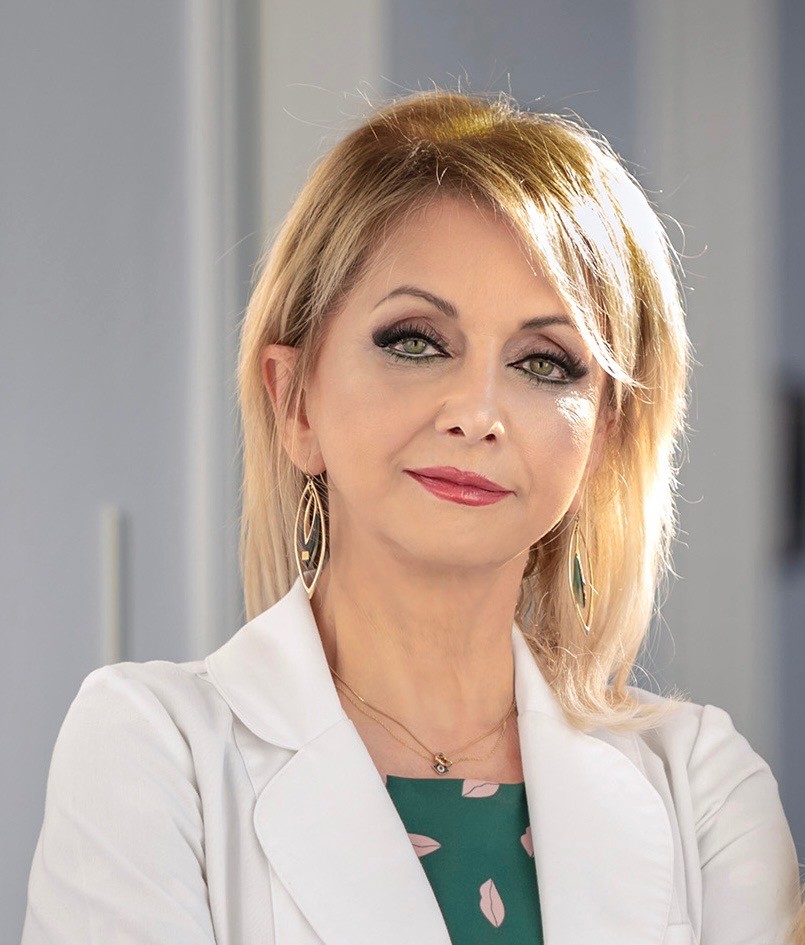
Shohre Mehvar, OMD, LAC
Shohre Mehvar, OMD, LAC
Shohre Mehvar—Endometriosis Acupuncturist
Summary: Shohre Mehvar, OMD, LAC, is a compassionate endometriosis acupuncturist based in Newport Beach, California, offering integrative, whole-person care at Newport Wellness Group. Shohre Mehvar blends traditional Chinese Medicine with modern functional nutrition and mind-body therapies to support patients navigating the physical, emotional, and metabolic challenges of endometriosis. Her philosophy is rooted in the belief that each person’s path to healing is unique, and she tailors every treatment plan to meet the individual’s specific needs. By fostering the body’s innate ability to heal, Shohre Mehvar addresses both symptoms and root causes—helping patients manage pain, regulate hormones, and restore balance in body and mind. Her warm, patient-focused approach empowers individuals with endometriosis to take an active role in their wellness journey.
City: Newport Beach, California, USA
Visit types: Virtual and In-person
Spoken languages: English
Interpreting services for other languages: No
Dr. Reza Askari
Dr. Reza Askari, Endometriosis Specialist
City: Los Angeles, California, USA
Philosophy of Endometriosis Care: Current scientific evidence most strongly supports the coelomic metaplasia theory as the primary explanation for the development of endometriosis.
Our knowledge of endometriosis is growing every day, and I believe epigenetics and immune system factors will become key areas of focus moving forward.
What type of surgery do you perform for endometriosis: Excision
Medication: Effective care for endometriosis requires a comprehensive view of each patient’s health, recognizing that other conditions may contribute to symptoms. While there is no medical therapy that cures endometriosis, complete surgical excision remains the foundation of treatment. After surgery, when necessary, I often recommend hormonal therapy—typically progestins, either orally or through an intrauterine device (IUD)—to help manage bleeding or adenomyosis-related symptoms when present. I generally avoid GnRH agonists and antagonists, as their risk profiles and clinical outcomes do not, in my experience, offer meaningful advantages over progestin-based
Approach to Persistent Pain After Surgery: My goal is always to walk alongside patients through their recovery, not just for the surgery itself, but until they truly feel better
I believe that recovery does not end in the operating room. I stay closely involved with every patient’s care, providing follow-up and support for as long as needed to help them achieve meaningful, lasting improvement.
Every patient leaves surgery with a personalized recovery plan, shaped by their history, examination, and lab findings, with particular attention to any additional pain contributors. I routinely recommend pelvic physical therapy and collaborate with a trusted network of physiatrists to ensure each patient receives truly comprehensive care throughout their healing journey.
