
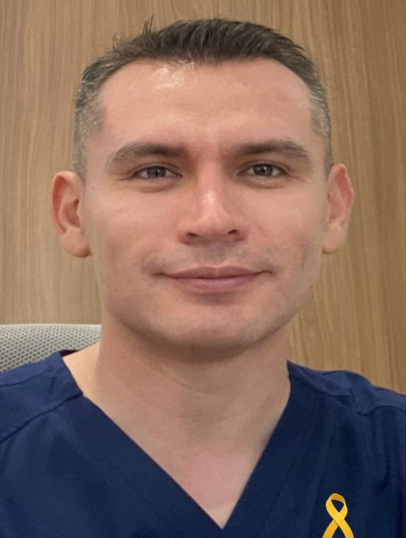
Dr. Fernando Garcia Vargas
Dr. Fernando Garcia Vargas
Dr Fernando Garcia Mexico – Endometriosis Specialist
Summary: Dr Fernando Garcia Mexico is a highly experienced endometriosis specialist based in Puebla, Mexico. With a deep commitment to personalized care, Dr Fernando Garcia approaches endometriosis as a multifaceted disease influenced by factors such as retrograde menstruation, coelomic metaplasia, and immune dysfunction. His practice focuses on accurate diagnosis and individualized treatment plans, often involving expert excision surgery and multidisciplinary collaboration for complex cases, including those affecting the bladder, rectum, or ureters.
Patients seeking compassionate and advanced care choose Dr Fernando Garcia Mexico for his integrative approach. He frequently partners with specialists in urology and coloproctology to ensure comprehensive outcomes, especially in deep infiltrative endometriosis. After surgery, he recommends synthetic progestins to reduce recurrence and refers patients with persistent pain to a neuropelveologist for thorough evaluation. Dr Fernando Garcia’s holistic, evidence-based care provides women with lasting relief and restored quality of life.
City: Puebla, Puebla, Mexico
Philosophy of Endometriosis Care: I believe that the theory of celomic metaplasia, as well as retrograde menstruation and altered immunity, can contribute to the development of the disease and its progression through different pathways. Therefore, it is essential to take a multidisciplinary assessment approach, individualizing each case to offer excision surgery when necessary, as cases of deep infiltrative endometriosis can occur, which may involve the rectum, ureters, bladder, etc. In such cases, joint management with coloproctology and urology is required to perform a successful surgery.
What type of surgery do you perform for endometriosis: Excision
Medication: Synthetic progestins such as desogestrel, implant, injections, or levonorgestrel-releasing intrauterine systems, which may help reduce the recurrence of the disease after excision surgery, and the time you use it depends on the option you decide
Approach to Persistent Pain After Surgery: I always recommend a complementary treatment such as synthetic progestins after excision surgery, and in case of symptom persistence, I refer my patients for evaluation by a neuropelvicologist.
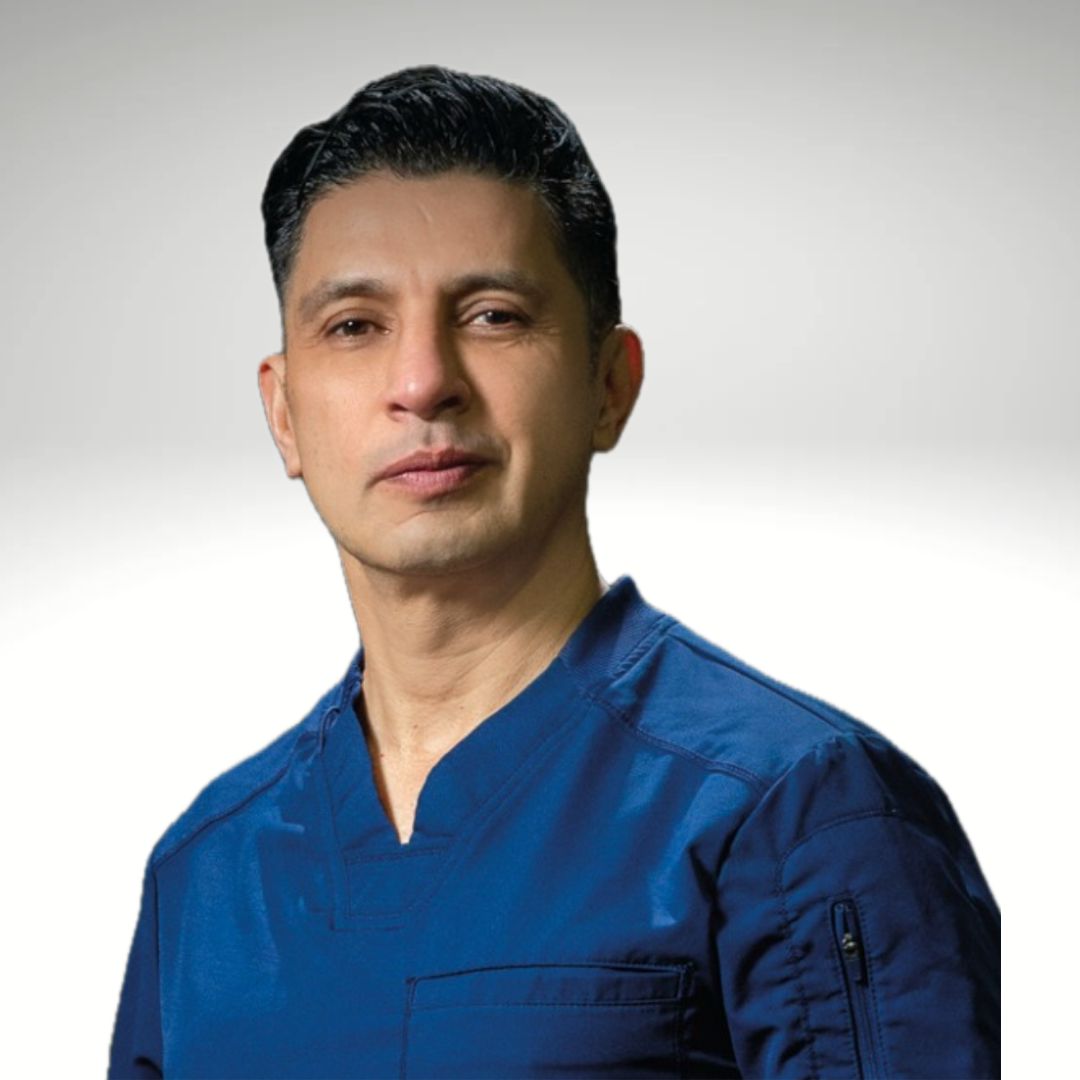
Dr. Victor J. Carrasco Urrutia
Dr. Victor J. Carrasco Urrutia
Dr Victor Carrasco Urrutia – Endometriosis Specialist
Summary: Dr Victor Carrasco Urrutia, a leading endometriosis specialist in Juárez, Mexico, offers a unique, science-driven approach to treating this complex disease. With deep expertise in molecular biology, Dr Carrasco Urrutia views endometriosis as a condition rooted in genetic and epigenetic changes, including microRNA dysregulation and iron-induced cellular stress. He specializes in excision surgery and believes in a personalized treatment plan that may include hormonal therapy, antioxidants, pain management, and physical rehabilitation.
Patients appreciate Dr Victor Carrasco Urrutia’s dedication to uncovering the true biological causes of endometriosis and his commitment to long-term, multidisciplinary care. His thoughtful approach to persistent pain after surgery emphasizes accurate reassessment and collaborative treatment, not just repeat operations. If you’re looking for advanced, compassionate care based on cutting-edge research, Dr Carrasco Urrutia offers hope for lasting relief and improved quality of life.
City: Juárez, Chihuahua, Mexico
Philosophy of Endometriosis Care: A Molecular Disease Driven by microRNA Dysregulation, Sublethal Ferroptosis, and Iron-Induced Cellular Reprogramming. (Epigenetic and Genetic).
- Introduction: Rethinking the Origins of Endometriosis– Endometriosis has traditionally been explained by the theory of retrograde menstruation and ectopic implantation of endometrial tissue. However, this paradigm fails to account for the heterogeneity of lesion types, their variable behavior, resistance to hormone therapy, and their presence in distant organs, including in individuals without a uterus. Emerging molecular insights support a paradigm shift: endometriosis is not simply a disorder of misplaced cells but rather a disease of epigenetic reprogramming, sustained by microRNA (miRNA) dysregulation, oxidative damage, and sublethal ferroptosis, all of which collectively transform the phenotype of endometrial cells into persistent, invasive, and inflammatory clones.
- The Molecular Drivers of Endometriosis – At the core of this transformation is a sustained dysregulation of microRNAs, small non-coding RNAs that regulate gene expression post-transcriptionally. These molecules act as master regulators of apoptosis, inflammation, angiogenesis, immune evasion, and cellular differentiation. In endometriosis, an aberrant expression profile of miRNAs alters the fate of eutopic endometrial cells, making them resistant to apoptosis, responsive to local estrogen production, and capable of invading ectopic environments. This altered transcriptomic and epigenetic landscape allows cells to survive retrograde migration and promotes colonization in ectopic locations. However, survival alone does not explain lesion persistence or progression. A critical second hit occurs through exposure to iron-rich microenvironments, particularly in hemorrhagic lesions and repeated retrograde bleeding, which leads to ferroptosis sublethal stress: a state of iron-driven oxidative damage that damages but does not destroy cells, selecting for those with adaptive survival advantages. This interplay between miRNA-driven transformation and environmental oxidative stress is central to the pathogenesis of all lesion types, yet manifests differently depending on the anatomic and physiological context.
- Subtype-Specific Pathogenesis – A. Superficial Peritoneal Endometriosis Superficial lesions are typically small (1–5 mm), found on peritoneal surfaces, and historically considered the “earliest” or “mildest” form of the disease. However, from a molecular standpoint, they represent localized populations of reprogrammed endometrial-like cells that have adhered to the mesothelial surface but not yet established a fibrotic niche or deep invasion. • miRNA profile: These lesions show altered miRNA expression consistent with early evasion of apoptosis and enhanced angiogenesis. • Immune environment: Poor immunosurveillance allows their persistence. • Iron exposure: Low to moderate, driven by cyclic retrograde bleeding. Sublethal ferroptosis here may act as a selective pressure for early clonal expansion. These lesions may remain quiescent or evolve depending on iron burden, oxidative stress, and hormonal responsiveness. B. Ovarian Endometriosis (Endometriomas) Ovarian endometriosis is characterized by the formation of chocolate cysts, or endometriomas, which are hemorrhagic cystic structures resulting from repeated bleeding of ectopic endometrial tissue within the ovary. • Iron microenvironment: Endometriomas are iron-saturated niches due to blood accumulation and hemolysis. This creates a sustained ferroptotic microenvironment with massive lipid peroxidation and reactive oxygen species. • Cellular fate: Sublethal ferroptosis in ovarian lesions promotes selection of molecularly damaged but viable cells with enhanced estrogen biosynthesis, progesterone resistance, and immunoevasive behavior. • Epigenetic profile: Extensive methylation changes and miRNA deregulation in endometriomas render these lesions bioactive, hormone-autonomous, and often refractory to standard hormonal suppression. Thus, endometriomas are not passive collections of blood but dynamic bioactive lesions that perpetuate molecular damage and foster disease progression. C. Deep Infiltrating Endometriosis (DIE) Deep lesions extend more than 5 mm below the peritoneal surface and often involve the bowel, bladder, ureters, and pelvic nerves. These are associated with severe pain and significant morbidity. • Molecular profile: These lesions exhibit the highest degree of cellular reprogramming, with profound miRNA dysregulation, immune suppression, neuroangiogenesis, and resistance to apoptosis. • Stromal remodeling: Chronic trauma, bleeding, and local inflammation stimulate fibrosis, nerve infiltration, and neuroinflammation, explaining the severe pain profile. • Oxidative stress: Iron deposition and recurrent hemorrhage promote sustained oxidative stress, contributing to irreversible structural and functional alterations. • Heterogeneity: Each DIE lesion can be genetically and epigenetically distinct, with varying hormonal sensitivity and miRNA signatures. Deep endometriosis may arise from superficial or ovarian lesions subjected to prolonged inflammatory and oxidative stress, leading to a fibrotic, invasive, and neurotrophic phenotype.
- Endometriosis Beyond the Pelvis- Extrauterine Manifestations Endometriosis has been documented in distant sites, including the lungs, diaphragm, kidneys, liver, brain, and even in men. These rare presentations challenge the traditional implantation theory and are better explained through molecular migration hypotheses: • Stem/progenitor cell migration: Endometrial progenitor cells with reprogrammed miRNA profiles may disseminate via lymphovascular routes. • Systemic epigenetic predisposition: The same molecular drivers active in pelvic lesions may operate in ectopic stem niches, particularly under chronic inflammation or hormonal influence. • Iron-independent transformation: In distant sites, local factors (e.g., tissue injury, hormonal crosstalk) may mimic the oxidative and immune environments found in pelvic lesions, allowing ectopic lesions to form without retrograde menstruation. The finding of clonal, progesterone-resistant, estrogen-producing lesions in distant organs supports the notion of systemic disease with localized molecular expressions, not simple mechanical spread.
- Clinical and Research Implications – This molecular redefinition of endometriosis holds several implications: • Diagnosis: Circulating miRNA panels and iron-sensitive imaging may aid in earlier, non-invasive detection. • Treatment: Approaches should target not only estrogen suppression but also iron metabolism, oxidative stress, and epigenetic reprogramming (e.g., miRNA modulation, ferroptosis regulation). • Phenotype-tailored therapy: Understanding the dominant molecular drivers of each lesion type (e.g., ferroptosis in endometriomas, neuroinflammation in DIE) can guide personalized treatment. Endometriosis is a molecularly dynamic disease that begins with epigenetic and post-transcriptional reprogramming of endometrial cells via microRNA dysregulation. Survival and proliferation of these altered cells are supported by iron-induced sublethal ferroptosis, which perpetuates oxidative stress and drives progressive transformation. Each subtype of endometriosis—superficial, ovarian, and deep—inherits this molecular foundation but diverges based on location-specific environmental conditions. Endometriosis should thus be considered a systemic, clonal, and inflammatory disease, rooted in molecular errors and sustained by a hostile microenvironment that the lesions themselves help to create. This framework provides a unified, mechanistically grounded explanation for the diversity, chronicity, and therapeutic resistance observed in clinical practice. VJCU
What type of surgery do you perform for endometriosis: Excision
Medication: OCPs, Progestins (dianogest)(including LNG-IUD) – Used for suppression of hormonally responsive lesions, especially after excision. Less effective in progesterone-resistant or estrogen-autonomous lesions like endometriomas. Antioxidants (e.g., N-acetylcysteine)– Reduce ROS and lipid peroxidation; support ferroptosis modulation and lesion stabilization. Gabapentin, Pregabalin (Lyrica) – Used for central pain desensitization in deep endometriosis and neuroinflammation. Especially useful pre- and post-surgery in patients with chronic pelvic pain or neuropathic pain. Anti-inflammatory & immunomodulators – Target low-grade chronic inflammation and immune dysregulation associated with lesion survival.
Approach to Persistent Pain After Surgery:
Persistent symptoms after surgery do not always indicate surgical failure or disease recurrence. Instead, they often reflect the complex nature of endometriosis, including residual lesions, nerve involvement, fibrosis, or central sensitization.
- Postoperative Evaluation • Perform a full clinical reassessment (pain type, localization, quality of life). • Imaging (TVUS or MRI) only if recurrence is suspected. • Evaluate for neuropathic pain or central sensitization.
- Common Causes • Residual or missed deep lesions. • Fibrotic entrapment of pelvic nerves. • Central sensitization and amplified pain response. • Myofascial pain or visceral dysfunction. • Adhesions or abnormal scarring.
- Multidisciplinary Management • Neuropathic pain: gabapentin, pregabalin, duloxetine, pelvic floor physiotherapy. • Functional symptoms: gut-directed therapy, microbiota modulation, visceral rehab. • Psychological support: CBT, mindfulness, trauma-focused therapy.
- Hormonal Suppression • Maintenance therapy with continuous OCPs, progestins, or LNG-IUD. • Antioxidants (e.g., NAC) to reduce oxidative stress.
- Reoperation: Reserved for patients with confirmed residual deep lesions, obstructive disease, or failed conservative management. The persistence of symptoms after surgery does not always indicate surgical failure, but rather reflects the multifactorial and neuroinflammatory nature of endometriosis. Management should be: • Individualized and multidisciplinary. • Based on the type of pain (somatic, visceral, or neuropathic). • Supported by continuous follow-up, functional imaging, and comprehensive care.
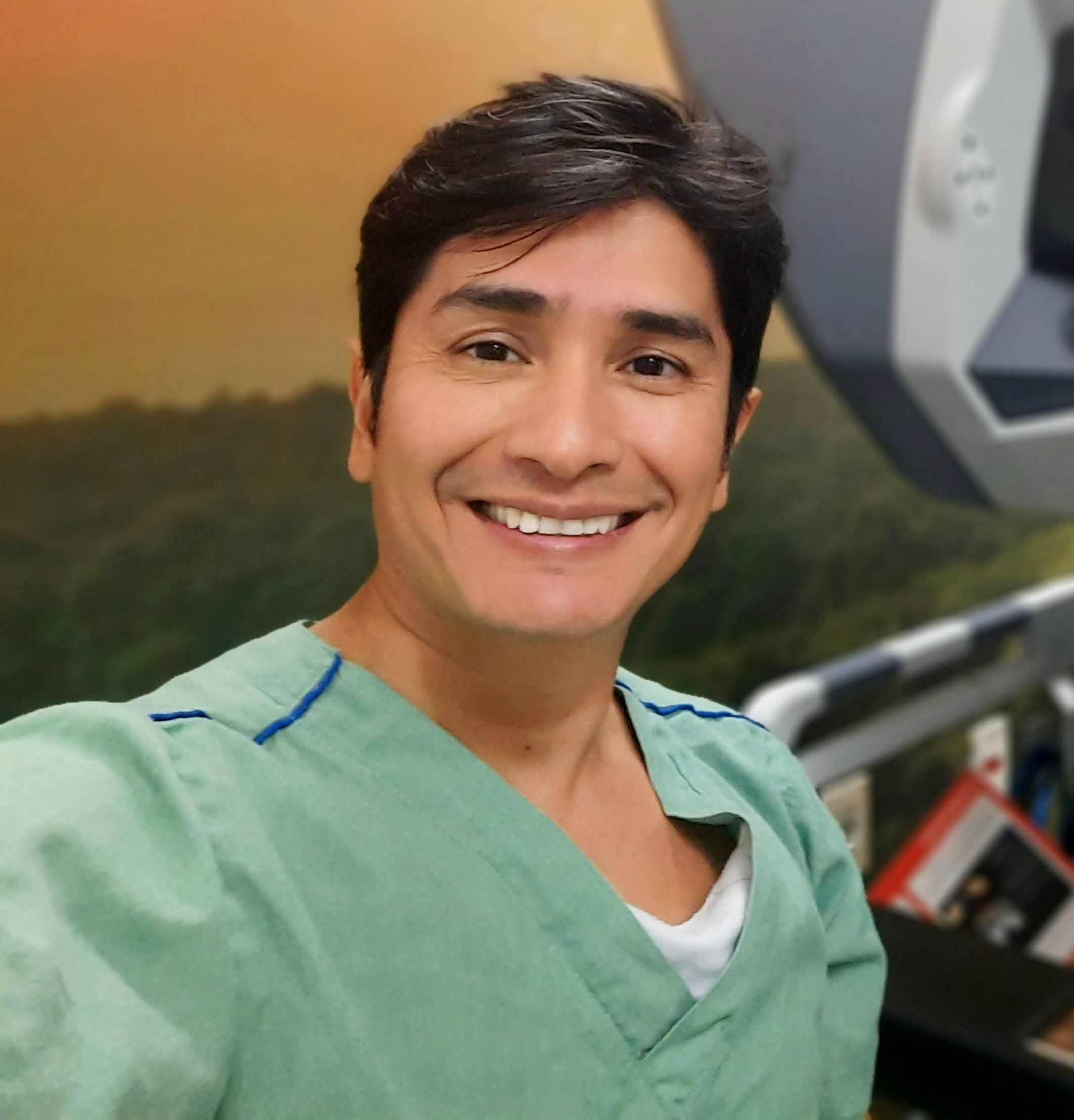
Dr. Ronald Enrique Delgado Bocanegra
Dr. Ronald Enrique Delgado Bocanegra,
Dr Ronald Delgado – Endometriosis Specialist
Summary: Dr Ronald Delgado is a dedicated endometriosis specialist based in Salvador, Brazil, known for his expertise in excision surgery and compassionate care. Rooted in the embryonic theory of endometriosis, Dr Ronald Delgado believes the condition is congenital, not caused by retrograde menstruation. This understanding shapes his focus on complete, fertility-preserving excision as a long-term solution. Dr Ronald Delgado prioritizes individualized care, using medication selectively to manage symptoms before or after surgery when necessary. For patients experiencing persistent pain, he takes a holistic and multidisciplinary approach, evaluating for residual disease and coexisting conditions like pelvic floor dysfunction or IBS. His patient-first philosophy ensures every woman receives thoughtful, evidence-based care tailored to her needs. With a reputation for meticulous surgical technique and compassionate follow-up, Dr. Ronald Delgado offers hope and healing to patients navigating the challenges of endometriosis.
City: Salvador, Bahia, Brazil
Philosophy of Endometriosis Care: My approach to the treatment of endometriosis is grounded primarily in the embryonic theory of origin, as proposed by Dr. David Redwine. According to this theory, endometriosis results from the aberrant differentiation of embryonic Müllerian remnants, which persist outside the uterine cavity and later develop into endometriotic lesions. This perspective shifts the focus away from retrograde menstruation and toward the concept that endometriosis is a congenital disease, present from birth and not caused by menstrual backflow. It explains cases in premenarchal girls, women with Müllerian anomalies, and the presence of endometriosis in distant locations that retrograde menstruation can’t account for. Clinically, this theory supports a surgical approach that emphasizes complete excision of all visible and suspected disease, rather than ablation or suppression. It also reinforces the idea that endometriosis is not a recurrent disease if completely removed — recurrence is often due to incomplete excision. Therefore, my goal is to perform meticulous, fertility-preserving excision surgery whenever possible, aiming for long-term relief and definitive treatment
What type of surgery do you perform for endometriosis: Excision
Medication: Grounded in the embryonic theory of endometriosis, I view the disease as congenital and not caused by retrograde menstruation. Therefore, my primary treatment is complete surgical excision, aiming for definitive management. Medications are used as supportive tools in two main contexts: before surgery, to manage symptoms temporarily when immediate surgery isn’t feasible. After surgery, in selected cases — like when there’s a residual microscopic disease or when fertility preservation is a priority. I typically use: Continuous combined oral contraceptives, Progestins (like dienogest) GnRH analogues with add-back therapy These options help control symptoms but don’t cure the disease. The focus remains on individualized, surgical-centered care.
Approach to Persistent Pain After Surgery: When patients experience persistent symptoms after surgery for endometriosis, my approach is comprehensive and individualized. First, I assess whether the symptoms are due to residual disease, coexisting conditions, or central sensitization. Persistent pain doesn’t always mean recurrence — it could be related to pelvic floor dysfunction, adenomyosis, irritable bowel syndrome, interstitial cystitis, or neuropathic pain. If I suspect residual or recurrent disease, I review the surgical report and imaging and may repeat diagnostic imaging with an expert. In some cases, reoperation may be necessary, especially if the initial surgery was incomplete. If other causes are identified, I work with a multidisciplinary team — including pelvic physiotherapists, pain specialists, gastroenterologists, and psychologists — to address the symptoms holistically. Medication (like progestins or neuromodulators) can also be used as part of symptom control, but not as the sole strategy. In essence, I treat persistent symptoms not with a one-size-fits-all approach, but through careful reassessment, patient education, and a multidisciplinary plan tailored to each woman’s needs.
Dr. Mohammad Haekal
Dr. Mohammad Haekal
Dr Mohammad Haekal – Endometriosis Specialist
Summary: Dr Mohammad Haekal is a skilled endometriosis specialist based in Jakarta, Indonesia, known for his comprehensive approach to care. Dr Mohammad Haekal’s clinical philosophy integrates multiple theories of disease origin—including retrograde menstruation, stem cell, and epigenetic mechanisms—to better understand and manage endometriosis in an evidence-based manner. He also believes that natural conception may still be possible after complete and meticulous surgical excision if normal anatomy and physiological function are restored.
Dr. Haekal follows a stepwise treatment strategy, where hormonal therapy—including progestins, GnRH injections, and LNG-IUS or implants—is used as first-line management for endometriosis-associated pain. Surgical intervention is recommended when medical therapy fails or when there is a clear clinical indication. In fertility-focused care, he routinely evaluates ovarian reserve: patients with good ovarian reserve and surgical benefit undergo comprehensive excision surgery, while those with low ovarian reserve are advised to proceed directly to Assisted Reproductive Technology (ART) to optimize fertility outcomes.
He performs systematic pre-operative mapping using ultrasound and MRI to define disease extent and detect residual lesions, with all surgeries carefully planned and carried out by a multidisciplinary team, focusing on complete excision of deep infiltrating endometriosis (DIE). For recurrent endometrioma, he adopts a fertility-preserving approach using suction combined with selective surgical and laser techniques to protect ovarian reserve. Post-operatively, he provides tailored hormonal therapy for patients delaying pregnancy and prioritizes medical management for persistent pain, generally recommending only one well-executed comprehensive surgery, with the goal of improving symptom control, fertility outcomes, and overall quality of life.
City: Jakarta, Indonesia
Philosophy of Endometriosis Care: Retrograde, stem cell, and epigenetic theories. For treatment associated infertility, I always check for ovarian reserve of the patient. If there is good ovarian reserve and there is benefit of the surgery then we performed the surgery. If the patient have low ovarian reserve then we directly go to ART.
I always believe that there is always a chance to naturally conceived after complete and comprehensive surgical excision if we can restore the anatomy and physiologically.
I also give medication for post-operative patients who want to delay their fertility to reduce risk.
Systematic pre-operative mapping with ultrasound and MRI will be performed to search for residual lesions.
Surgery will be done based on pre-operative diagnostic with multidisciplinary team. We will performed complete excision of DIE lesion. For repeated endometrioma I only performed suction (+surgical) and laser, since it will markedly decreasing of ovarian reserve in repeated surgery and will made bad prognosis for fertility.
What type of surgery do you perform for endometriosis: Excision
Medication: Hormonal (progestin, GnRH Injection, LNG IUS or Implant) using as first line treatment for endometriosis associated pain. Excision surgery will performed if there is failed of medication treatment.
Approach to Persistent Pain After Surgery: Medical management first, we only perform a single, complete, comprehensive surgery.
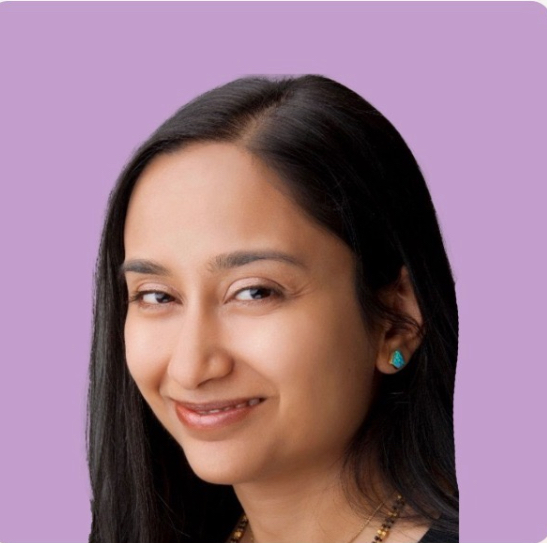
Dr. Mamta Mamik
Dr. Mamta Mamik
Dr. Mamta Mamik – Endometriosis Specialist
Summary: Dr. Mamta Mamik is a dedicated endometriosis specialist based in New York City, known for her expertise in excision surgery and comprehensive patient care. Dr. Mamta Mamik approaches endometriosis treatment with a deep understanding of the embryonic rest theory, coelomic metaplasia, and stem cell theory, providing personalized care tailored to each patient’s needs. She typically recommends oral contraceptives and the Mirena IUD after excision surgery to help prevent recurrence, avoiding GnRH agonists unless specifically requested by the patient. Dr. Mamta Mamik believes in a multi-modality approach to managing persistent pain after surgery, working closely with physical therapists, offering nerve blocks, and considering neuromodulator implants when necessary. Her patient-centered care focuses on improving quality of life through effective pain management and ongoing support. This warm and thorough approach makes Dr. Mamta Mamik a trusted expert for those seeking relief from endometriosis symptoms.
City: New York City, New York
Philosophy of Endometriosis Care: Embryonic rest theory, coelomic metaplasia, stem cell theory
What type of surgery do you perform for endometriosis: Excision
Medication: Only oral contraceptives and Mirena IUD. I recommend their use after excision surgery to avoid recurrence. I avoid using GnRH agonists, as this makes excision difficult unless the patient really would like to try this.
Approach to Persistent Pain After Surgery: A multi-modality approach is always best. This includes collaboration with physical therapy, nerve blocks in the office, and possible neuromodulator implants depending on the severity of pain.
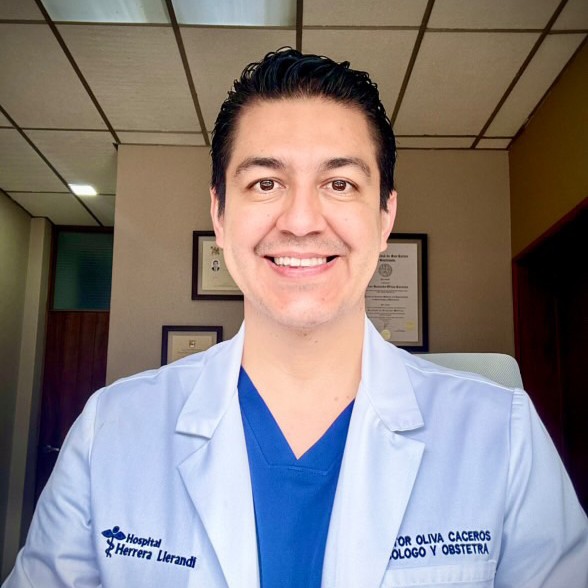
Dr. Hector Oliva
Dr. Hector Oliva
Dr Hector Oliva – Endometriosis Specialist
Summary: Dr Hector Oliva is an endometriosis specialist based in Ciudad de Guatemala, Guatemala, known for his expertise in excision surgery and personalized care. Dr Hector Oliva follows the Mullerosis Gene Ensemble Genetic Theory, offering a scientific and compassionate approach to understanding and treating endometriosis. He combines surgical precision with supportive therapies to ensure the best outcomes for his patients.
In his practice, Dr Hector Oliva emphasizes the importance of mapping disease before surgery and tailors medication plans that may include dienogest, combined oral contraceptives, NSAIDs, and antioxidant supplements. He integrates lifestyle guidance, including nutrition, physical therapy, and exercise, into every patient’s care. For persistent pain after surgery, he recommends a six-month recovery period with continued rehabilitation to evaluate results and promote healing. Patients benefit from his holistic, science-driven approach to long-term symptom relief and improved quality of life.
City: Ciudad de Guatemala, Guatemala
Philosophy of Endometriosis Care: Mullerosis Gene Ensemble Genetic
What type of surgery do you perform for endometriosis: Excision
Medication: Dienogest with little symptoms and few diseases through mapping. Before surgery, pills containing estradiol plus dienogest are used when the patient needs contraception. AINEs and antioxidant supplements. Every patient needs nutritional guidance, exercise, and physical therapy
Approach to Persistent Pain After Surgery: Perform lifestyle changes and wait 6 months after the surgery. because this is the time that we can evaluate the benefits of the surgery. Every patient continues with physical rehabilitation.
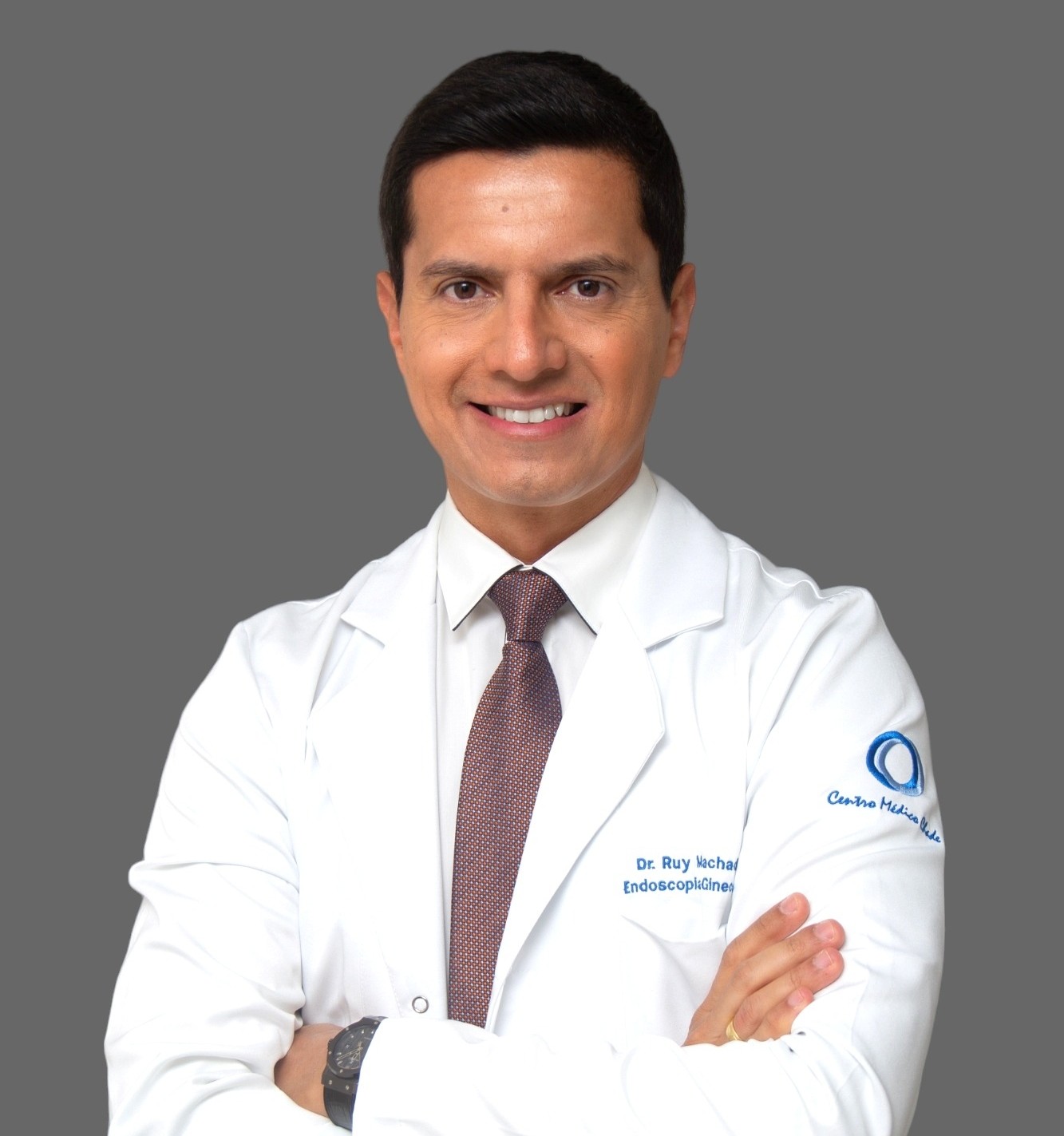
Dr. Ruy Machado Jr.
Dr. Ruy Machado Jr.
Dr. Ruy Machado Jr – Endometriosis Specialist
Summary: Dr. Ruy Machado Jr. is a dedicated endometriosis specialist based in São Paulo, Brazil, known for his expertise in excision surgery. Dr. Ruy Machado’s approach to care is rooted in the cellular metaplasia and autoimmune theories, offering patients a comprehensive understanding of their condition. He often uses medications like dienogest both before and after surgery to manage symptoms effectively. For more severe cases, such as grade 4 endometriosis, Dr. Machado incorporates goserelin acetate post-surgery for up to six months. With 17 years of experience in laparoscopy and robotic surgery, Dr. Ruy Machado prioritizes nerve-preserving excision techniques, resulting in minimal persistent pain after surgery. When symptoms do persist, they are typically managed with continuous dienogest, anti-inflammatory medications, or levonorgestrel IUDs. His patient-centered approach ensures individualized treatment and long-term relief for those living with endometriosis.
City: São Paulo, Brazil
Philosophy of Endometriosis Care: Believe mainly in the theory of cellular metaplasia and the autoimmune theory.
What type of surgery do you perform for endometriosis: Excision
Medication: I often use medications; I often use Dienogest and goserelin acetate. I use dienogest both before and after surgery to control symptoms. Gosserlin acetate is used exclusively after surgery in cases of grade 4 endometriosis for a period limited to 6 months.
Approach to Persistent Pain After Surgery: I have been treating endometriosis for laparoscopy for 17 years, and more recently, for robotic surgery. In recent years, we have had very few patients with persistent symptoms after the surgeries we practice using nerve-preserving disease excision techniques. The cases we had improved only with the use of continuous dienogest, anti-inflammatory drugs, or the use of a levonorgestrel IUD. Over these years, we re-operated on only 2 patients for persistent symptoms.
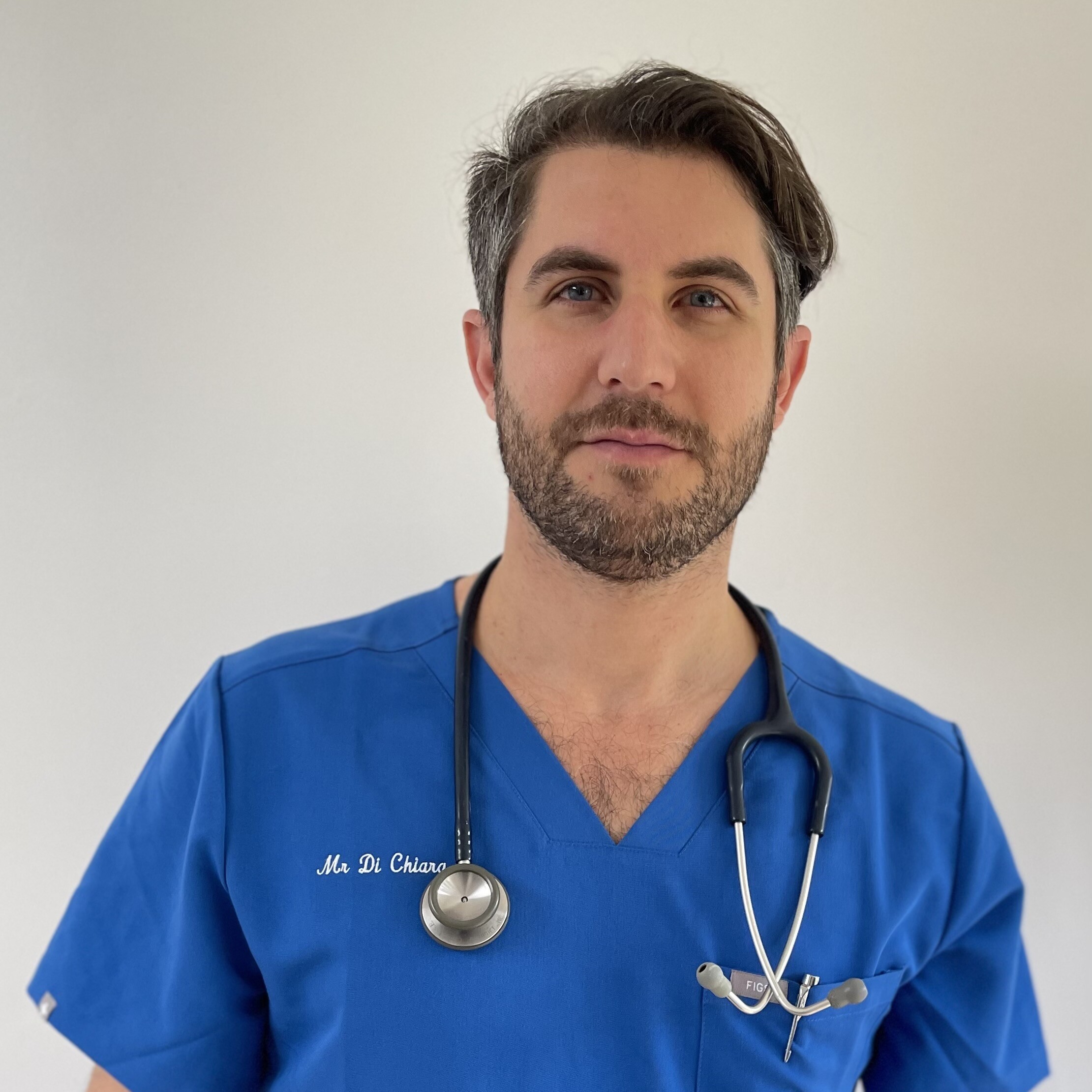
Dr. Francesco Di Chiara
Dr. Francesco Di Chiara
Dr. Francesco Di Chiara – Endometriosis Specialist
Summary: Dr. Francesco Di Chiara is a skilled endometriosis specialist based in Oxford, England, with a unique focus on thoracic and diaphragmatic endometriosis. Dr. Francesco Di Chiara specializes in excision surgery, aiming to remove endometriosis lesions with precision and care. As a thoracic surgeon, he collaborates closely with gynecologists to tailor hormonal treatments for each patient’s needs. Dr. Francesco Di Chiara takes a multidisciplinary approach when managing persistent pain after surgery, involving re-imaging and team discussions to determine the best next steps. In some cases, this may include additional surgery to address remaining symptoms. Patients appreciate his thorough and personalized care, which balances surgical expertise with a compassionate understanding of endometriosis’s complex nature. His dedication helps improve the quality of life for those affected by this challenging condition.
City: Oxford, England
Philosophy of Endometriosis Care: Thoracic endometriosis and diaphragmatic endometriosis
What type of surgery do you perform for endometriosis: Excision
Medication: As a thoracic surgeon, I prefer to consult with Gynae colleagues to adjust hormonal treatments.
Approach to Persistent Pain After Surgery: Re-imaging, multidisciplinary discussion, and re-doing surgery in selected cases.
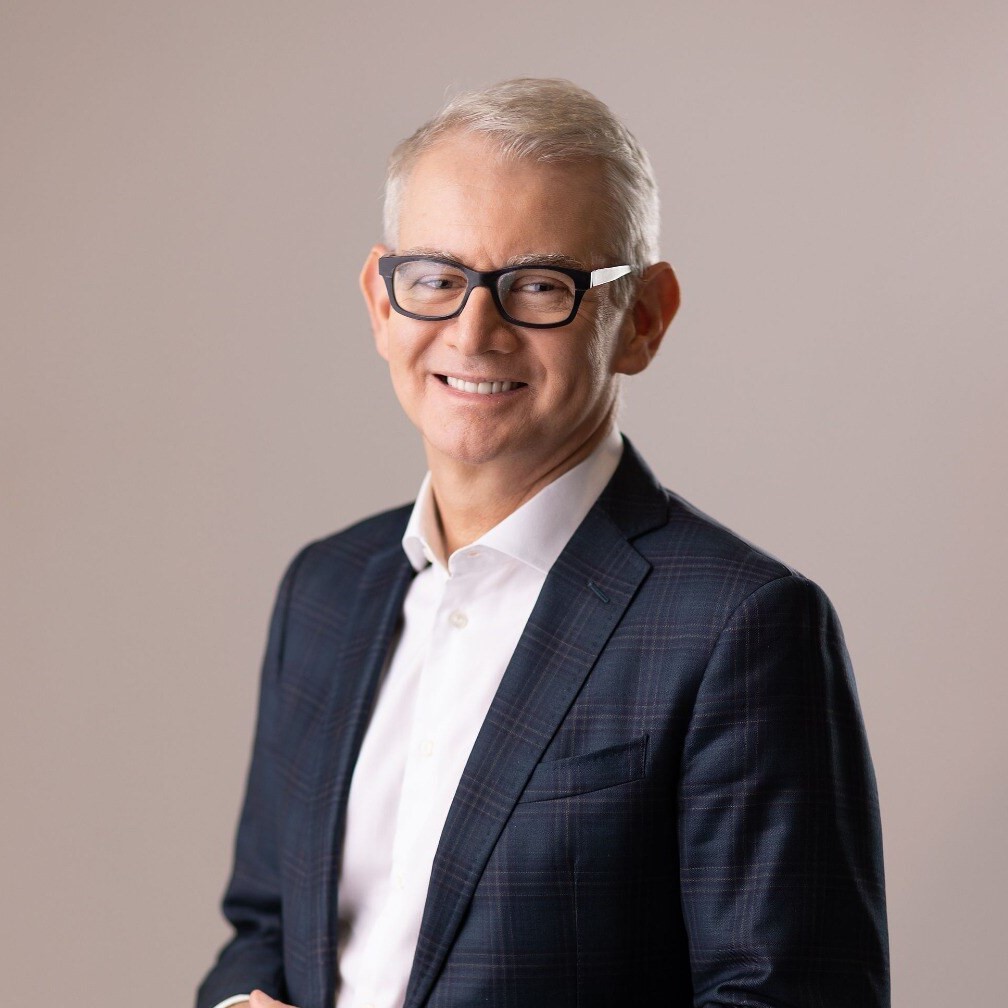
Dr. Mauricio Abrao
Dr. Mauricio Abrao
Dr Mauricio Abrao – Endometriosis Specialist
Summary: Dr Mauricio Abrao is a highly respected endometriosis specialist based in São Paulo, Brazil, known for his expertise in the immunological approach to care. Dr Mauricio Abrao focuses on understanding how immune system responses contribute to endometriosis, guiding both diagnosis and treatment with a patient-centered mindset. He performs expert excision surgery and offers individualized care plans that may include oral contraceptives or dienogest for patients managing pain without surgery. For those with adenomyosis seeking pregnancy, Dr Mauricio Abrao may recommend GnRHa post-surgery to optimize outcomes. When symptoms persist after surgery, he uses advanced ultrasound imaging to map disease recurrence and guide further treatment. Dr Abrao is committed to combining medical precision with empathy, ensuring each patient receives the care and attention they deserve. His approach helps patients feel seen, heard, and supported throughout their endometriosis journey.
City: São Paulo, Brazil
Philosophy of Endometriosis Care: Immunology
What type of surgery do you perform for endometriosis: Excision
Medication: Oral contraceptives/dienogest for patients with pain who don’t want surgery, and GnRHa 2m after surgery for patients with adenomyosis wanting to be pregnant
Approach to Persistent Pain After Surgery: US for mapping the disease
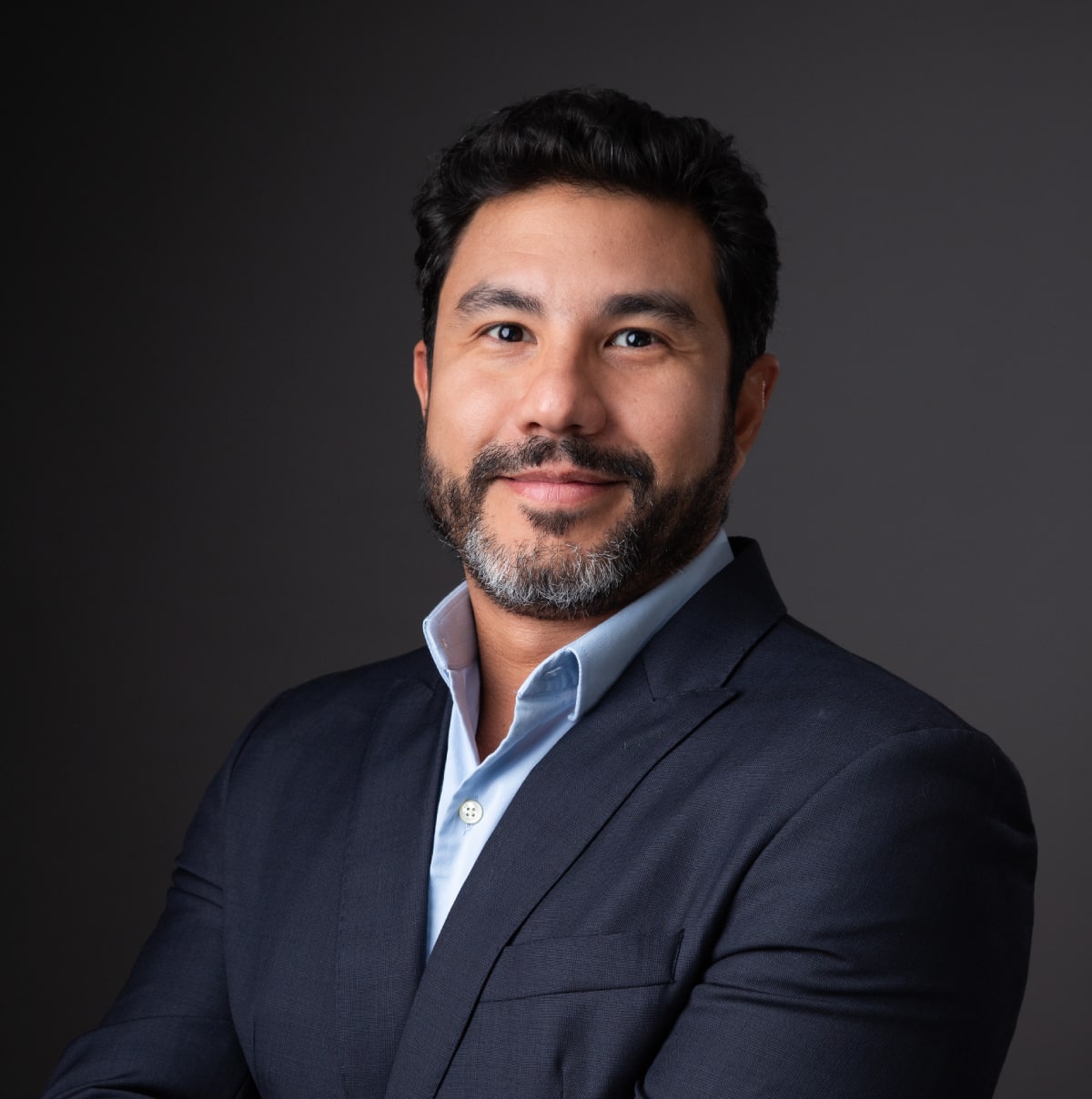
Dr. Daniel Santos
Dr. Daniel Santos
Dr. Daniel Santos – Endometriosis Specialist
Summary: Dr. Daniel Santos is a respected endometriosis specialist based in Rio de Janeiro, Brazil, known for his expert and patient-centered care. Dr. Daniel Santos combines the retrograde menstruation and embryonic theories to guide his approach, focusing on complete excision of endometriotic lesions to ensure thorough disease removal. He also uses ablation selectively for challenging cases, such as diaphragmatic or pericardial lesions, balancing effective treatment with patient safety.
In addition to surgery, Dr. Daniel Santos recommends personalized medical management, including hormonal therapies like combined oral contraceptives, progestins, or GnRH analogs, alongside nonsteroidal anti-inflammatory drugs for pain relief. For persistent pain after surgery, Dr. Daniel Santos employs a multidisciplinary approach that involves pain specialists, pelvic physiotherapy, and psychological support to address both physical and emotional aspects of recovery. His warm, comprehensive care helps patients navigate endometriosis with hope and confidence.
City: Rio de Janeiro, Brazil
Philosophy of Endometriosis Care: I believe in both the theory of retrograde menstruation and the embryonic theory as key explanations for the origin of endometriosis. These perspectives guide my surgical approach, leading me to perform a complete excision of endometriotic lesions and a full peritonectomy of the affected compartments to ensure thorough disease removal.
What type of surgery do you perform for endometriosis: Both excision and ablation. I always perform complete excision of endometriotic lesions, as I believe it is the most effective approach for disease removal. However, I reserve ablation for specific cases where excision is not feasible, such as extensive scattered diaphragmatic lesions and those located on the pericardium. In these situations, ablation is used to manage the disease while minimizing the risks associated with deep excision in anatomically challenging areas.
Medication: In my practice, I incorporate hormonal and non-hormonal medications as part of a comprehensive approach to managing endometriosis. I typically recommend hormonal therapy, such as combined oral contraceptives, progestins, or GnRH analogs, for symptom control in patients who are not candidates for surgery or who prefer a non-surgical approach. These therapies help suppress disease activity and manage pain.
For patients with significant pain, I use nonsteroidal anti-inflammatory drugs (NSAIDs) as first-line symptom relief. Additionally, I may consider neuromodulators in cases of central sensitization and persistent pain syndromes.
However, in cases where surgery is indicated, I prioritize complete excision of endometriotic lesions. Postoperatively, hormonal therapy may be used to prevent recurrence, particularly in patients who are not seeking pregnancy. My treatment recommendations are always tailored to the patient’s symptoms, reproductive goals, and disease severity.
Approach to Persistent Pain After Surgery: This is a significant challenge, and unfortunately, it occurs with some frequency, especially when psychological factors are involved. My approach is always multidisciplinary, involving a pain specialist—my anesthesiologist, who is also a pain specialist and provides care at our clinic, along with pelvic physiotherapy and psychological support. This comprehensive strategy ensures that persistent symptoms are addressed holistically, considering both physical and emotional aspects to optimize patient outcomes.
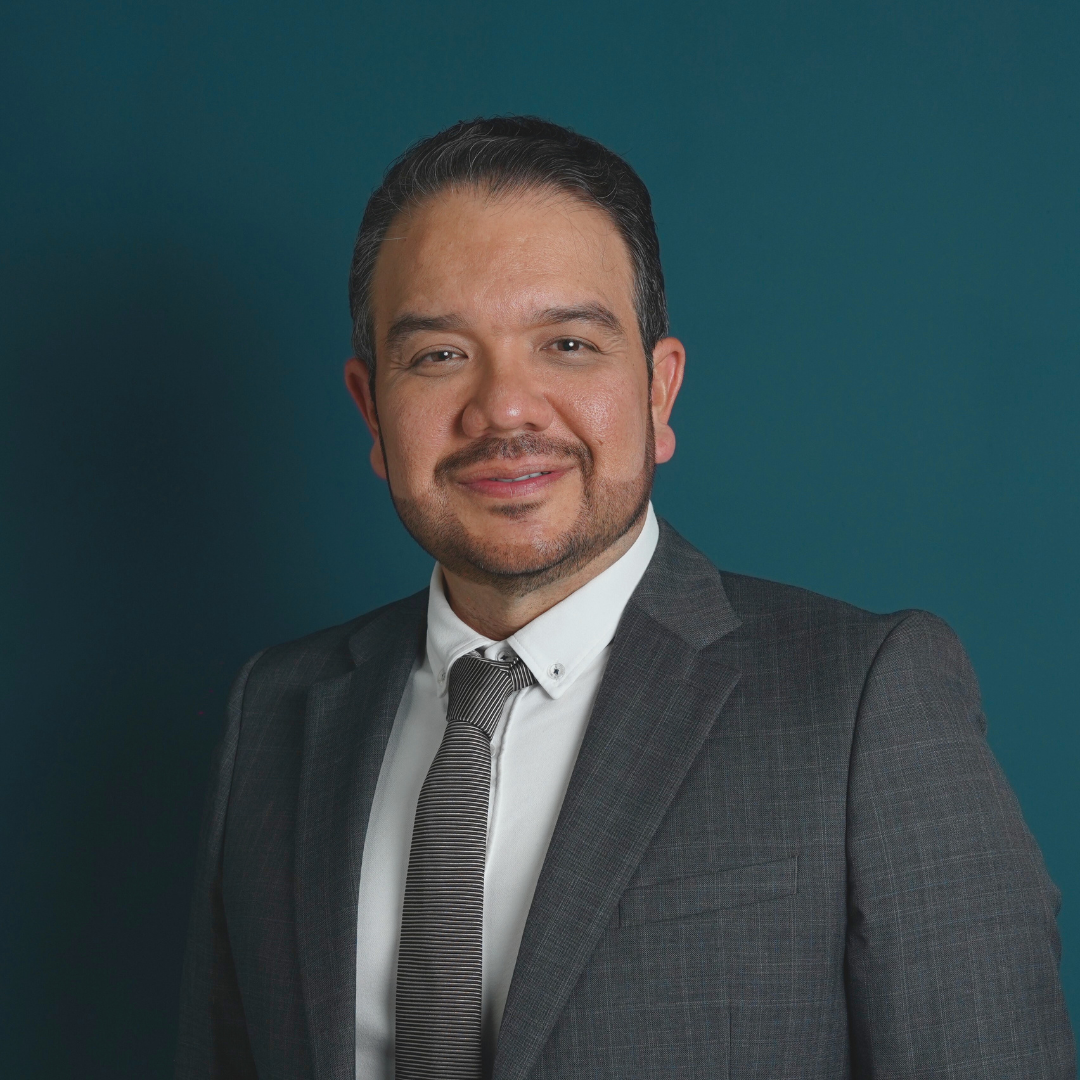
Dr. Hebert Enrique Quintero Fajardo
Dr. Hebert Enrique Quintero Fajardo
Dr. Hebert Enrique Quintero – Endometriosis Specialist
Summary: Dr. Hebert Enrique Quintero is a dedicated endometriosis specialist based in Barranquilla, Colombia. Doctor Hebert Enrique Quintero follows the epigenetic theory in his approach, focusing on how genetic and environmental factors influence the disease. He specializes in excision surgery to remove endometriosis lesions thoroughly, aiming for long-term relief. Medication like Dienogest is used continuously to manage symptoms in cases of superficial, ovarian, or deep endometriosis, with symptom reassessment after 12 weeks. Doctor Hebert Enrique Quintero takes a holistic, multidisciplinary approach to persistent pain, addressing physical, nutritional, hormonal, and emotional factors. He carefully evaluates pain centralization and possible disease recurrence by reviewing surgical footage to ensure complete excision. His patient-centered care emphasizes thorough follow-up and individualized treatment plans to support recovery and quality of life.
City: Barranquilla, Colombia
Philosophy of Endometriosis Care: The epigenetic theory
What type of surgery do you perform for endometriosis: Excision
Medication: Dienogest is used continuously in patients with superficial, ovarian, or deep endometriosis, with a reassessment of symptoms 12 weeks after starting treatment. Depending on the identification of other pain generators, additional medications may be incorporated, such as neuromodulators, muscle relaxants, antidepressants, and others.
Approach to Persistent Pain After Surgery: Given that patients with endometriosis experience multiple sources of pain, I conduct a thorough reassessment using a comprehensive, multi- and interdisciplinary approach. This approach addresses physical, nutritional, hormonal, and emotional aspects. Additionally, we evaluate pain centralization, assess potential recurrences, and review the recorded surgical footage to verify the complete excision of the affected tissue.
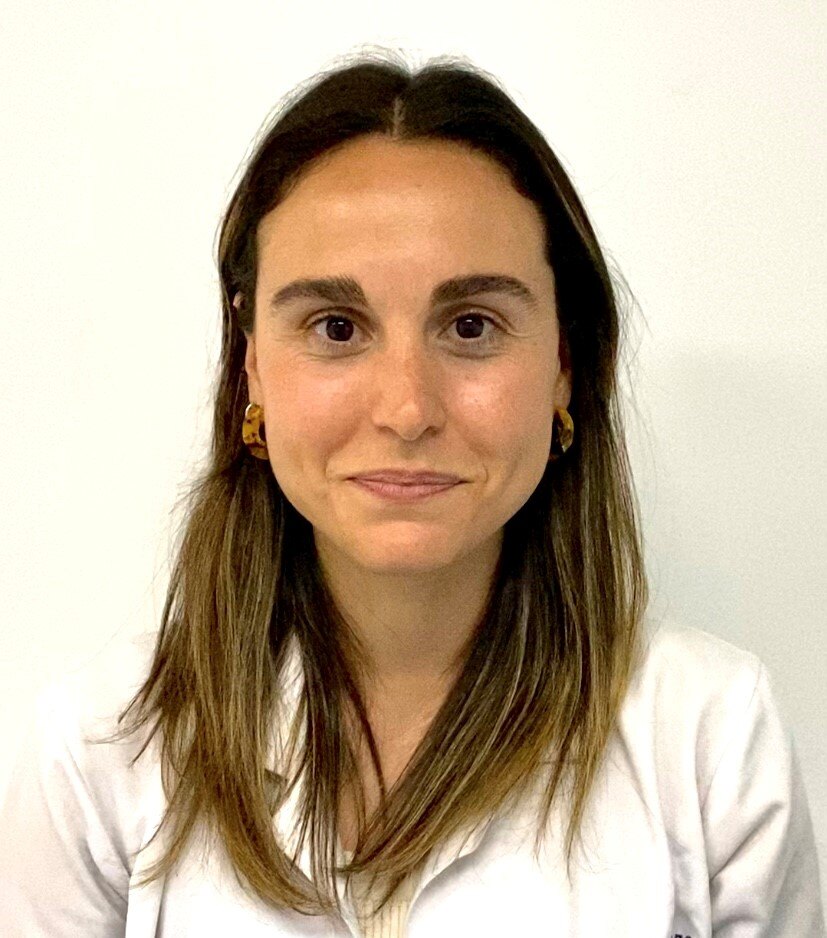
Dr. Agustina Larrea
Dr. Agustina Larrea
Dr Agustina Larrea – Endometriosis Specialist
Summary – Dr Agustina Larrea is a dedicated endometriosis specialist based in Ciudad Autónoma de Buenos Aires, Argentina. Dr Agustina Larrea approaches endometriosis care by combining the retrograde menstruation theory with genetics and nutrition, recognizing how family history and diet influence the condition’s progression. She emphasizes an anti-inflammatory diet alongside surgical excision to manage endometriosis effectively. Dr Larrea often prescribes dienogest or drospirenone for hormonal treatment and supplements such as magnesium, tailoring care to each patient’s needs. She also integrates NSAIDs for pain control and collaborates closely with pain specialists when chronic pelvic pain persists, particularly in cases of central sensitization syndrome. Dr Agustina Larrea encourages ongoing lifestyle adjustments, pelvic floor physiotherapy, and emotional support to improve long-term outcomes. Her patient-centered approach focuses on holistic care, helping women manage symptoms while considering individual circumstances and well-being.
City: Ciudad Autonoma de Buenos Aires, Argentina
Philosophy of Endometriosis Care:
-Retrograde Menstruation Theory
-Genetics: as it often runs in families and also is linked to nutrition habits in families.
-Nutrition: inflamed intestines because of flour, sugar, alcohol, and dairy, among others, lead to an an inflamated body and trigger an autoimmune system. It fails to recognize and eliminate endometrial cells growing outside the uterus, allowing the disease to progress. Besides, the metabolism of sugar is linked to the metabolism of estrogen. And we know this disease is estrogen-dependent.
I believe all these theories work together and are the key factors of treatment.
What type of surgery do you perform for endometriosis: Excision
Medication: I first apply together an anti-inflammatory diet + supplements such as magnesium and dienogest. If the patient can´t afford dienogest (I live in a low-income country), then I can rotate dienogest to drospirenone 4 mg without using placebos. I met the patient after 4 months to see how she was doing.
NSAIDs can complement treatment to manage pain. If I believe the patient has a Central Sensitization Syndrome, because of chronic pelvic pain, despite of all treatments applied, I work with a pain treatment team that usually gives amitriptiline to modulate central pain.
Approach to Persistent Pain After Surgery: I explain to the patient that surgery can not always relieve pain in 100%. Definitely, we should continue with an anti-inflammatory diet and dienogest (if the patient does not desire pregnancy), regardless of the surgical treatment.
Depending on the pain, I can work with pelvic floor physiotherapists, a pain treatment team to treat central sensitization syndrome, and a psychologist in order to give emotional support and, if needed, antidepressants.
