

Living with endometriosis can be physically exhausting, emotionally challenging, and disruptive to everyday life. For many individuals, finding an expert who understands the complexity of this condition is the first step toward meaningful relief. If you’re searching for a top endometriosis specialist in Pennsylvania, knowing where to find experienced care and what treatment options are available can make a significant difference.
Pennsylvania, particularly the Philadelphia area, provides access to specialized endometriosis care, including minimally invasive surgery, advanced excision techniques, and multidisciplinary treatment approaches. Whether you’re experiencing chronic pelvic pain, painful periods, fertility challenges, or persistent symptoms despite previous treatments, working with an experienced specialist can help you better understand your condition.
According to the World Health Organization (WHO), endometriosis affects approximately 10% of reproductive-age women worldwide, highlighting the importance of timely diagnosis, effective symptom management, and access to specialized healthcare.
This guide explores the importance of specialized endometriosis care in Pennsylvania, introduces experienced surgeons serving the region, and explains how to choose the right treatment approach for your needs.
Understanding Endometriosis: Why Specialized Care Matters
Endometriosis is a chronic inflammatory condition in which tissue resembling the uterine lining grows outside the uterus. These growths can develop on the ovaries, fallopian tubes, pelvic lining, bowel, bladder, and, in some cases, structures beyond the pelvis.
Common symptoms include:
- Severe menstrual cramps and chronic pelvic pain
- Pain during or after sexual intercourse
- Painful bowel movements or urination
- Heavy or irregular menstrual bleeding
- Difficulty becoming pregnant
- Persistent fatigue, bloating, and gastrointestinal discomfort
Endometriosis symptoms vary considerably. Some individuals experience debilitating pain, while others have relatively mild symptoms despite extensive disease.
Because endometriosis can affect multiple organs and body systems, diagnosis and treatment often require more than routine gynecological care. A qualified endometriosis specialist in Pennsylvania can evaluate complex symptoms, identify possible coexisting conditions, and recommend personalized treatment options.
The Pennsylvania Advantage: Access to Specialized Endometriosis Care
Pennsylvania offers patients access to major healthcare networks and specialized medical services, particularly throughout Philadelphia and its surrounding communities.
For individuals living in Philadelphia, Montgomery County, Bucks County, Delaware County, and nearby areas, seeking specialized care may provide opportunities for more comprehensive evaluations and advanced treatment.
Advanced Diagnostic Techniques
An accurate evaluation is essential for developing an effective endometriosis treatment plan.
Specialists may use transvaginal ultrasound and magnetic resonance imaging (MRI) to identify ovarian endometriomas, deep endometriosis, or abnormalities involving surrounding pelvic structures.
Minimally Invasive Surgical Options
Some endometriosis specialists in Pennsylvania offer laparoscopic and robotic-assisted surgery.
These techniques allow surgeons to examine pelvic structures and remove visible endometriosis lesions through small incisions. For appropriately selected patients, minimally invasive surgery may offer benefits such as reduced postoperative discomfort and shorter hospital stays compared with open surgery.
The ESHRE endometriosis guideline recommends considering surgery as an option for reducing endometriosis-associated pain while emphasizing shared decision-making, individual preferences, potential complications, and the availability of alternative treatments.
Multidisciplinary Treatment
Endometriosis may involve the reproductive organs, bowel, bladder, pelvic nerves, and musculoskeletal system.
Complex cases can benefit from collaboration among gynecologic surgeons, colorectal surgeons, urologists, fertility specialists, pelvic floor physical therapists, and pain management professionals.
NICE recommends referral to specialist endometriosis services for patients with suspected or confirmed deep endometriosis involving the bowel, bladder, or ureter. Such services should have access to appropriately trained specialists and coordinated treatment resources.
This multidisciplinary approach helps address symptoms that may not be resolved through surgery alone.
Fertility-Focused Care
Endometriosis can affect fertility through inflammation, adhesions, ovarian involvement, and changes to pelvic anatomy.
Patients hoping to conceive may benefit from specialists who consider reproductive goals when recommending medications, surgical procedures, or fertility treatments.
Expert Endometriosis Care in Pennsylvania: Meet the Specialists
Choosing an experienced endometriosis surgeon is particularly important for individuals with deep endometriosis, previous unsuccessful surgery, or disease involving multiple pelvic organs.
Dr. Andrea Vidali — Advanced Endometriosis Excision Specialist

Dr. Andrea Vidali is an internationally recognized endometriosis surgeon and reproductive endocrinologist with more than 25 years of experience. As the founder of Endometriosis Surgical Specialists International (ESSI) and a professor at Temple University, he focuses on advanced surgical management of complex endometriosis and fertility-related concerns.
His approach emphasizes meticulous excision of endometriosis lesions, fertility preservation when appropriate, and comprehensive surgical planning.
Key areas of expertise:
- Advanced laparoscopic and robotic-assisted excision surgery
- Complex and deep endometriosis
- Fertility preservation and reproductive health
- Endometriosis affecting the bowel, bladder, and other pelvic structures
- Reproductive endocrinology and immunological considerations
Dr. Vidali’s experience in complex cases may be particularly relevant for patients who continue to experience symptoms after previous surgery or who have concerns about preserving reproductive function.
Patients can explore his professional background and surgical approach through the iCareBetter specialist directory.
Dr. Jordan Klebanoff — Minimally Invasive Endometriosis Excision Specialist
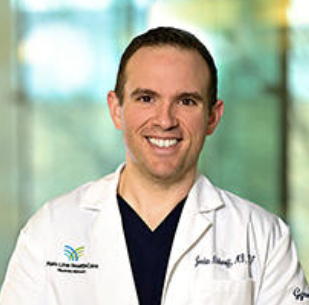
Dr. Jordan Klebanoff is a fellowship-trained minimally invasive gynecologic surgeon specializing in endometriosis excision surgery and complex pelvic conditions. Based in the Philadelphia area, he practices at Main Line HealthCare Gynecology at Lankenau Medical Center and completed his fellowship in Minimally Invasive Gynecologic Surgery at George Washington University Hospital in 2020.
His approach emphasizes thorough excision of endometriosis lesions, individualized medical management, and multidisciplinary care to address persistent pelvic pain and improve patients’ quality of life.
Key areas of expertise:
- Minimally invasive endometriosis excision surgery
- Complex pelvic endometriosis
- Chronic pelvic pain management
- Fertility-conscious treatment planning
- Multidisciplinary care involving pelvic floor physical therapists, pain specialists, and gastroenterologists
Dr. Klebanoff’s approach may be particularly valuable for patients experiencing persistent pelvic pain or complex endometriosis symptoms who need comprehensive evaluation and personalized treatment options.
Learn more about his experience and treatment approach through Dr. Jordan Klebanoff’s iCareBetter profile.
Advanced Endometriosis Treatment Options in Pennsylvania
Endometriosis treatment should be tailored to each patient’s symptoms, medical history, fertility goals, and personal preferences.
While surgery is an important option for some individuals, it is not the only approach. Effective care may involve medications, physical therapy, surgical treatment, or a combination of strategies.
1. Laparoscopic Excision Surgery
Laparoscopic excision involves surgically removing endometriosis lesions rather than simply destroying their surface.
This technique can be especially valuable when endometriosis causes significant pain, anatomical distortion, or organ involvement.
Potential benefits include removal of visible disease, the opportunity for tissue confirmation, and improvement in symptoms for some patients.
The ESHRE guideline recognizes excision and ablation as surgical approaches but notes that evidence comparing their effectiveness is limited. Excision may be considered for pain management, particularly when deeper lesions require removal.
However, surgery does not guarantee permanent pain relief, and endometriosis can recur or persist. The decision to undergo surgery should involve a careful discussion of expected benefits, possible complications, and alternatives.
2. Robotic-Assisted Endometriosis Surgery
Robotic-assisted surgery is another minimally invasive approach that surgeons may use for complex endometriosis.
The technology provides magnified visualization and instruments designed for precise movements.
It may be useful in selected cases involving challenging anatomy, although robotic assistance is not necessarily superior to conventional laparoscopy for every patient.
The surgeon’s experience, the extent and location of endometriosis, and the patient’s overall health are important factors when selecting a surgical approach.
3. Nerve-Sparing Endometriosis Surgery
Endometriosis affecting deep pelvic structures may be located near nerves responsible for bladder, bowel, and sexual function.
Nerve-sparing techniques aim to remove disease while minimizing injury to these important structures.
ESSI identifies nerve-sparing excision as part of its surgical approach for patients with complex endometriosis.
For patients with deep endometriosis, the NICE clinical guideline emphasizes specialist assessment and careful surgical planning. These considerations are particularly important when disease involves structures near the bowel, bladder, ureters, or pelvic nerves.
4. Fertility-Preserving Treatment
For individuals planning to become pregnant, fertility preservation is an important consideration.
Treatment decisions may involve balancing the benefits of removing endometriosis against potential risks to ovarian reserve, particularly when ovarian endometriomas are present.
Research summarized in the ESHRE guideline indicates that routine surgery for ovarian endometriomas before assisted reproductive treatment is generally not recommended solely to improve live birth rates, partly because surgery can negatively affect ovarian reserve.
However, surgery may still be considered for significant pain, suspicious findings, or difficulties accessing ovarian follicles during fertility treatment.
A specialist may recommend consultation with a reproductive endocrinologist before surgery, depending on the patient’s circumstances.
5. Hormonal and Medical Management
Not every patient prefers surgery. Hormonal medications can help manage endometriosis-associated symptoms by suppressing menstrual activity.
Common options include combined hormonal contraceptives, progestin-only treatments, hormonal intrauterine devices, and gonadotropin-releasing hormone (GnRH) agonists or antagonists.
Pain-relieving medications may also be recommended when appropriate.
According to ACOG’s patient guidance on endometriosis, hormonal medications can help control symptoms, but they do not necessarily remove existing endometriosis tissue.
The ESHRE guideline also supports hormonal treatment as an option for endometriosis-associated pain, with treatment selection based on patient preferences, effectiveness, side effects, and reproductive goals.
These medications can reduce symptoms, although hormonal suppression does not eliminate existing endometriosis lesions.
Beyond Surgery: Comprehensive Endometriosis Care
For many patients, successful endometriosis management involves addressing more than the lesions themselves.
Chronic pelvic pain can persist because of pelvic floor muscle dysfunction, nerve sensitization, overlapping pain conditions, or other health concerns.
A comprehensive treatment plan may include the following supportive therapies.
Pelvic Floor Physical Therapy
Pelvic floor physical therapy can help address muscle tension, painful intercourse, pelvic discomfort, and certain bowel or bladder symptoms.
For individuals with chronic pelvic pain, targeted physical therapy may help improve pelvic muscle function and reduce pain associated with muscle overactivity. It can be particularly useful when pelvic floor dysfunction occurs alongside endometriosis. You can find specialized, vetted pelvic floor therapists for endometriosis care here.
Pain Management
Specialized pain management may include medications, targeted interventions, and strategies to manage persistent or neuropathic pain.
The 2025 BMJ summary of updated NICE guidance emphasizes that appropriate symptom treatment can begin while patients undergo further investigations or await specialist referral.
This approach recognizes that patients should not have to wait for a definitive diagnosis before receiving support for significant pain.
Nutritional Support
A registered dietitian familiar with endometriosis can help patients identify nutritional strategies for managing gastrointestinal symptoms and maintaining balanced nutrition.
Although some patients report improvement after dietary changes, there is insufficient evidence to recommend one specific diet as a treatment for endometriosis itself. Nutrition plans should therefore be individualized, particularly for patients with overlapping digestive conditions.
Mental Health Support
Living with chronic pain can affect emotional well-being, relationships, and daily functioning. Counseling, support groups, and psychological pain-management strategies can provide valuable support.
The WHO endometriosis fact sheet recognizes the substantial effects of endometriosis on quality of life, including mental health, education, employment, and social well-being.
Mental health support can help patients navigate the emotional challenges of chronic illness while complementing medical and surgical treatment.
These therapies may be incorporated into a comprehensive care plan depending on individual needs.
Patients can explore different types of endometriosis healthcare professionals through iCareBetter’s specialist directory.
How to Choose the Right Endometriosis Specialist in Pennsylvania
Finding the right specialist requires more than searching for a physician who treats endometriosis. Patients should consider a provider’s training, surgical experience, communication style, and approach to long-term care.
Look for Specialized Experience
Not every gynecologist has extensive training in complex endometriosis surgery. Patients considering surgery should ask about the physician’s experience with excision techniques, deep endometriosis, and cases involving multiple organs.
The NICE guidelines recommend specialist endometriosis services for patients with ovarian endometriomas, deep endometriosis, or disease outside the pelvic cavity.
Ask About Multidisciplinary Collaboration
For patients with bowel, bladder, or nerve involvement, access to a multidisciplinary surgical team may be particularly important.
Ask whether the surgeon collaborates with colorectal surgeons, urologists, fertility specialists, or other healthcare professionals when necessary.
Discuss Your Fertility Goals
If pregnancy is a current or future goal, discuss how different treatment options may affect reproductive health.
A qualified specialist should explain potential benefits, limitations, and risks while considering your preferences.
Evaluate the Long-Term Treatment Plan
Endometriosis is a chronic condition, and some patients require ongoing management even after successful surgery.
Ask about postoperative care, recurrence monitoring, symptom management, and access to supportive therapies.
The ESHRE guideline recommends considering postoperative hormonal treatment for certain patients who are not immediately seeking pregnancy, particularly to help reduce recurrence of symptoms.
Preparing for Your First Endometriosis Consultation
Before meeting with an endometriosis specialist in Pennsylvania, gathering relevant medical information can help make your appointment more productive.
Consider bringing previous imaging reports, surgical records, pathology results, medication histories, and a summary of your symptoms.
Questions worth discussing include:
- What could be causing my symptoms, and what additional evaluations might help?
- How much experience do you have treating complex endometriosis?
- Would medical management, surgery, or a combination of treatments be appropriate for me?
- How might treatment affect my fertility or ovarian function?
- What are the potential risks, recovery expectations, and chances of persistent or recurring symptoms?
- What supportive treatments would you recommend for long-term symptom management?
A thoughtful consultation should provide clear explanations and allow you to participate in decisions about your care.
Conclusion: Taking the Next Step Toward Better Endometriosis Care in Pennsylvania
Living with endometriosis can be challenging, but finding an experienced specialist can help patients better understand their symptoms and explore appropriate treatment options.
Pennsylvania patients, particularly those in Philadelphia and surrounding communities, can explore specialized endometriosis services, including advanced excision surgery, nerve-sparing techniques, and multidisciplinary care.
Whether you are newly diagnosed, considering surgery, or searching for answers after unsuccessful treatment, the right healthcare team can help you make informed decisions about your next steps.
Here’s to your health, well-being, and a brighter, pain-free future in the Keystone State!
References and Further Reading
- World Health Organization (WHO). Endometriosis — Fact Sheet.
- American College of Obstetricians and Gynecologists (ACOG). Endometriosis — Frequently Asked Questions.
- European Society of Human Reproduction and Embryology (ESHRE). Endometriosis Guideline (2022).
- Becker CM, et al. ESHRE Guideline: Endometriosis. Human Reproduction Open. 2022;2022(2).
- National Institute for Health and Care Excellence (NICE). Endometriosis: Diagnosis and Management. Guideline NG73, updated November 2024.
- Rajesh S, et al. Diagnosis and Management of Endometriosis: Summary of Updated NICE Guidance. BMJ. 2025;388.
- NICE. Diagnosing Endometriosis — Evidence Review B (2024).
- Endometriosis Surgical Specialists International (ESSI). Endometriosis Surgery in Philadelphia, Pennsylvania.
- ESSI. Dr. Daniel Cibulsky — Physician Profile.
- ESSI. Endometriosis Surgery Patient Handbook.
- iCareBetter. Top Endometriosis Specialist Florida: Your Path to Pain-Free Living.
- iCareBetter. Find an Endometriosis Specialist.