
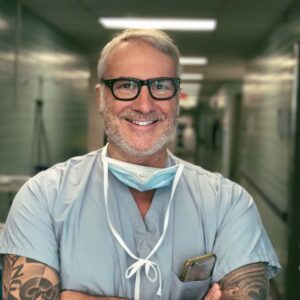
Dr. Andrea Vidali MD
Dr. Andrea Vidali, M.D
Endometriosis Specialist, Obstetrics & Gynecology / General Obstetrics & Gynecology, Reproductive Endocrinology
Summary: Dr Andrea Vidali, MD, is a highly regarded endometriosis specialist and reproductive endocrinologist based in New York, NY, USA. Known for his expertise and compassionate approach, Dr. Vidali offers comprehensive care for patients dealing with complex endometriosis cases. His practice attracts individuals from both the New York City area and beyond, especially those searching for a trusted expert like Andrea Vidali NYC. What makes Dr Andrea Vidali endometriosis treatment unique is his focus on combining excision surgery with targeted medical therapies, such as progestins and IUDs. This approach not only helps control bleeding but also addresses related conditions that often go untreated. His methods are especially effective for patients who haven’t responded well to hormonal therapy alone.
In addition to his surgical skill, Dr Vidali emphasizes the importance of personalized, long-term care. Every patient receives a tailored recovery plan that may include physical therapy and collaboration with physiatrists to help manage persistent pelvic pain. This ongoing support is a key part of the experience with Dr Andrea Vidali MD, who believes that successful treatment doesn’t end in the operating room.
Many patients turn to Dr Andrea Vidali MD not just for his medical knowledge, but for his commitment to improving their overall quality of life. Whether you’re local to New York or researching providers like Andrea Vidali NYC from across the country, his integrative approach to endometriosis makes him a leading choice in the field. It’s no surprise that Dr Andrea Vidali endometriosis care is so highly sought after by those navigating this challenging condition.
City: New York, NY, USA
Philosophy: Current scientific evidence points to the coelomic theory of endometriosis
Medication: The approach to endometriosis has to be holistic and address not only the disease itself but also potentially associated conditions. At this time, since we do not have medical candidates for curing endometriosis, the first essential step in the treatment of endometriosis is excision surgery. Additionally, Dr. Vidali rely on hormonal contraception, preferably progestins either orally or in the form of IUD to control bleeding or adenomyosis-related factors, if present. He does not rely on GnRH agonists or antagonists as in my experience the risk profile and efficacy profile not better than progestins make them undesirable.
Approach to Persistent Pain: I would like to affirm that I follow all the patients I operate on until they are well. I see the patients periodically as long as necessary. I always have a plan post-operatively especially if history, lab work, and initial examination have highlighted the possibility of the coexistence of additional pain generators. I do recommend physical therapy to most if not all patients and rely on a network of physiatrists.
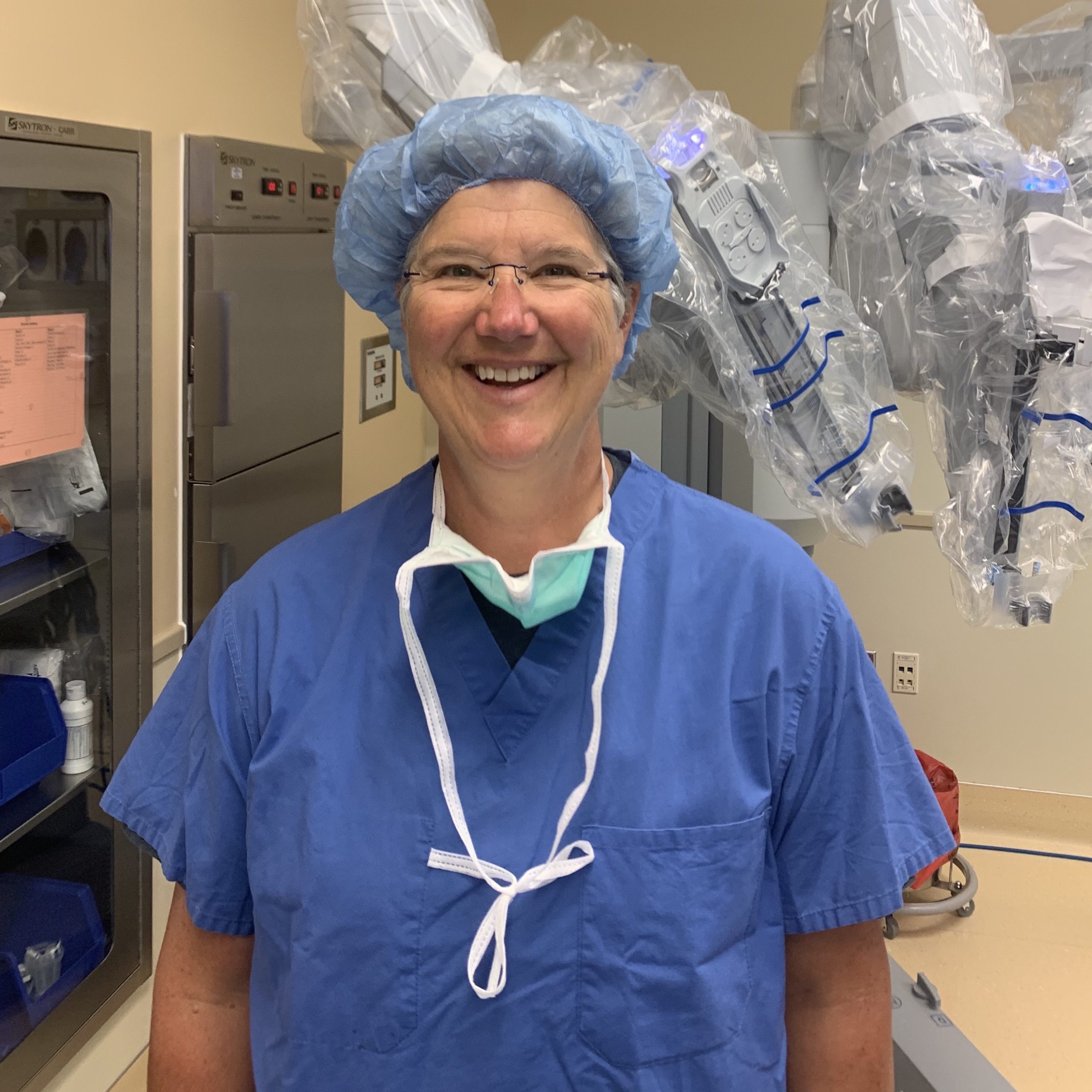
Dr. Cindy Mosbrucker
Dr. Cindy Mosbrucker, M.D.
Dr Cindy Mosbrucker – Endometriosis Specialist, Urogynecologist
Summary: Dr Cindy Mosbrucker MD is a highly respected endometriosis specialist and urogynecologist based in Gig Harbor, Washington. Dr. Mosbrucker brings a compassionate, evidence-based approach to endometriosis care, guided by the belief that peritoneal metaplasia, influenced by genetics, plays a key role in the disease. With a focus on thorough evaluation and individualized treatment, Dr Mosbrucker prioritizes conservative hormone therapy and advanced excision surgery. She avoids GnRH therapies, favoring progestins and multimodal postoperative pain management to enhance patient recovery.
Dr Mosbrucker’s approach to persistent pelvic pain is holistic and thoughtful. Recognizing that most postoperative pain stems from myofascial or pelvic floor dysfunction, she frequently partners with physical therapists and employs non-opioid treatments. Patients searching for expert care from Dr Cindy Mosbrucker MD can trust in her meticulous, patient-centered philosophy focused on long-term relief and improved quality of life.
City: Gig Harbor, Washington, USA
Philosophy: Peritoneal metaplasia, which is genetically influenced
Medication: I do not use any GnRH agonists or antagonists. I will use progestins (either norethindrone or Prometrium) for suppression when necessary, either while waiting for surgery or for those recurrent pains typically from ovarian cysts. I am not opposed to OCPs or progestin-containing IUDs s however, their utility is not as good as progestins alone. I use multimodal pain management postop with TAP blocks, an On-Q pump, gabapentin, tramadol, Sprix (ketorolac nasal spray), antiemetics, and minimal narcotics.
Approach to Persistent Pain: Figure out what is causing their pain. At least 75% of the time, it is myofascial, usually related to pelvic floor spasm. Most of my patients are referred to PT post-op. IC patients are taught installations usually before surgery, but sometimes postop. Those prone to adhesion formation are referred to as visceral mob PTs around 6-8 weeks postop. For those with pain after these interventions, we consider repeat surgery, and my reoperation rate is somewhere between 5% and 10%.
