
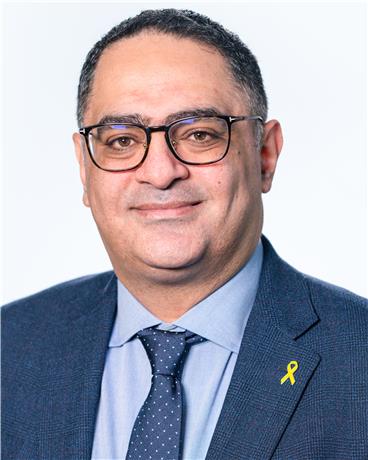
Dr. Mohamed Mabrouk
Dr. Mohamed Mabrouk, Endometriosis Specialist, Gynecologist, Minimally Invasive Gynecologic Surgeon
City: Cambridge, England
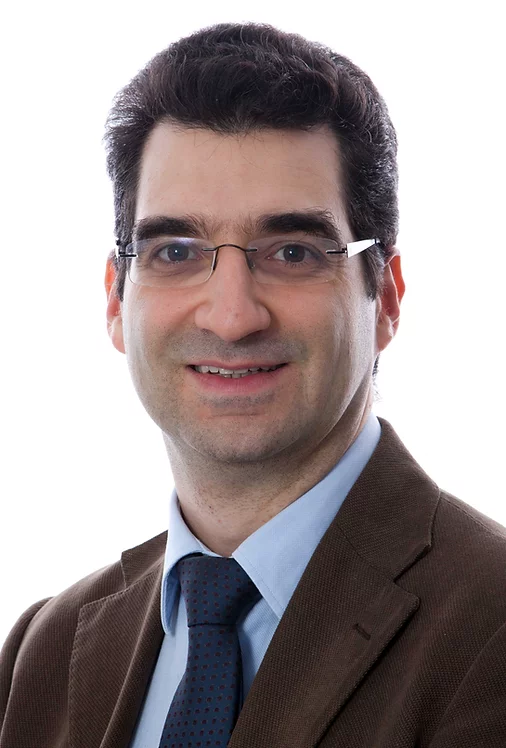
Mr. Vasileios Minas
Mr. Vasileios Minas, Endometriosis Specialist, Gynecologist, Consultant Gynaecologist and Laparoscopic Surgeon
City: Chertsey, England
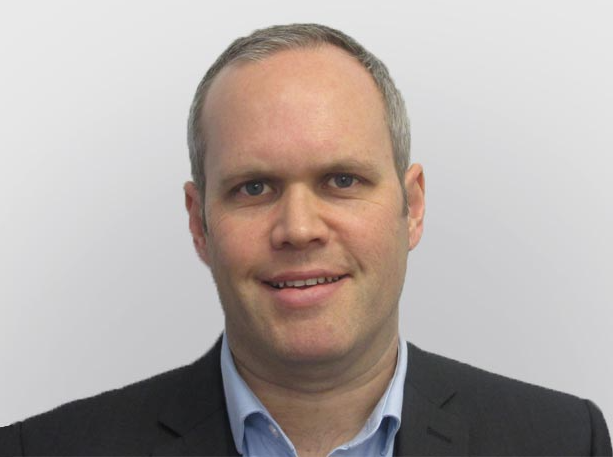
Mr. Thomas Aust
Mr. Thomas Aust, Endometriosis Specialist, Consultant Gynecologist, Minimally Invasive Gynecologic Surgeon
City: Wirral, England
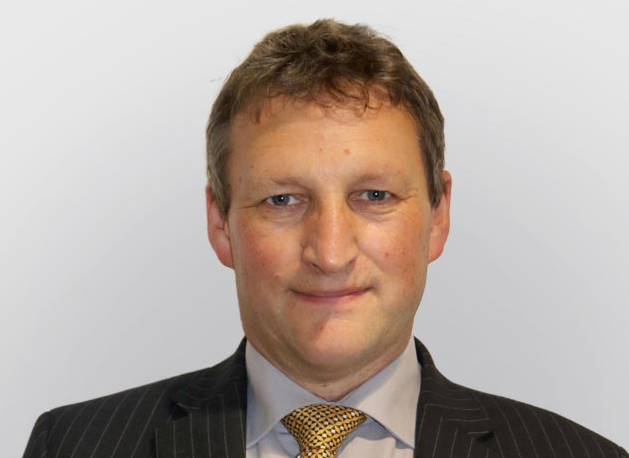
Mr. Andrew Pickersgill
Mr. Andrew Pickersgill, Endometriosis Specialist, Consultant Gynaecologist and Laparoscopic Surgeon
City: Manchester, England

Mr. Shaheen Khazali
Mr. Shaheen Khazali, Endometriosis Specialist, Consultant Gynaecologist and Laparoscopic Surgeon
City: London, England
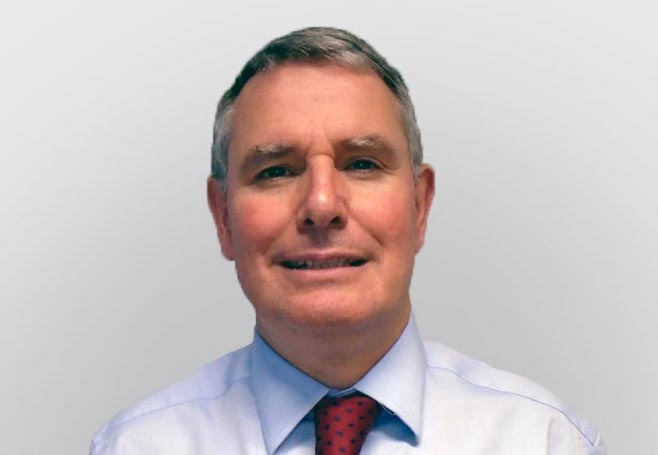
Mr. David Rowlands
Mr. David Rowlands, Endometriosis Specialist, Gynecologist, Consultant Gynaecologist and Laparoscopic Surgeon
City: Wirral, England

Dr. Edmond Edi Osagie
Dr. Edmond Edi Osagie, Endometriosis Specialist, Consultant Gynaecologist and Laparoscopic Surgeon
City: Manchester, England
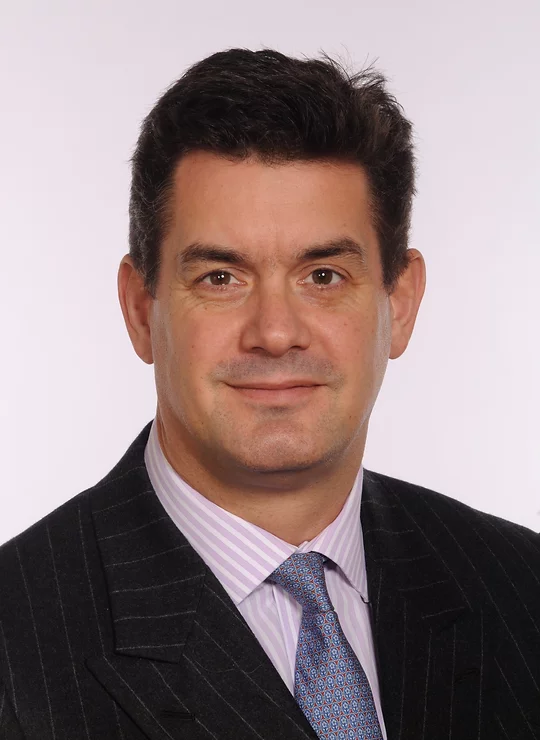
Mr Peter Barton-Smith
Mr Peter Barton-Smith, Endometriosis Specialist, Consultant Gynaecologist and Laparoscopic Surgeon
City: London, England
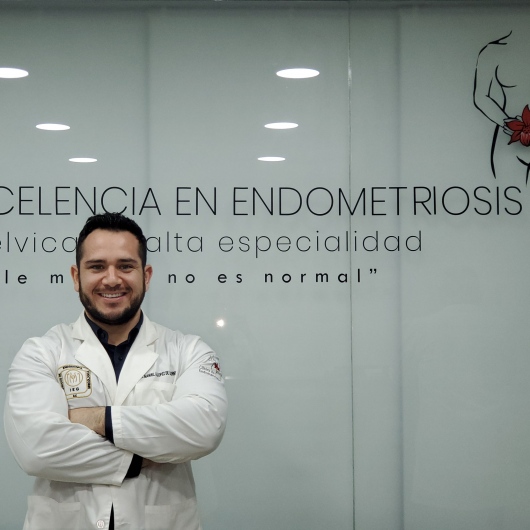
Dr. Manuel Lopez
Dr. Manuel Antonio Lopez de la Torre, M.D.
Dr Manuel Lopez – Endometriosis Specialist, Gynecologist, Minimally Invasive Gynecologic Surgeon
Summary: If you’re looking for expert care in endometriosis, Dr Manuel Lopez is a trusted and compassionate specialist dedicated to helping women live healthier, more comfortable lives. Many patients first discover Dr. Manuel Lopez while searching for top gynecologists under names like Manuel Lopez MD San Antonio or Doctor Manuel Lopez, drawn by his excellent reputation. Though based in Guadalajara, Jalisco, Mexico, Dr. Manuel A Lopez MD San Antonio TX is well known to U.S. patients who travel for his expert care in minimally invasive gynecologic surgery.
Dr. Lopez takes a thoughtful, individualized approach to endometriosis, grounded in both medical science and empathy. He draws on a range of theories, including celomic metaplasia, retrograde menstruation, lymphatic and vascular dissemination, and embryonic origins, as well as genetic and immunological factors, to inform his care.
For treatment, Dr. Lopez typically begins with combined progestins, followed by pure progestins if needed, and rarely, GNRH analogues with add-back therapy. Pain is managed with COX inhibitors, NSAIDs, smooth muscle relaxants, and supportive treatments like multivitamins.
What truly sets Dr. Manuel Lopez apart is his conservative and holistic approach to surgery, which is only recommended for about 30% of patients. His multidisciplinary team includes experts in colorectal surgery, fertility, urology, physical therapy, psychology, nutrition, pain management, and sexology to ensure patients receive well-rounded care.
City: Guadalajara, Jalisco, Mexico
Philosophy:
Medication:
Approach to Persistent Pain After Surgery:
When needed, the treatment always starts BEFORE the surgery, and SURGERY is indicated only in approximately 30% of our total amount of patients. Generally, most of the indications for surgical procedures depend on adhesions, anatomical changes due to nodules or adhesions, deep infiltrating nodules affecting the organs functional tissue(Muscular layers), adenomyosis. We always perform an integral follow-up on patients. Our clinic is constituted by multiple specialties, and we derive before surgery to the affected areas to deep study. When the symptoms continue, depending on the area, they get treated by whoever is demanded (Colo- proctology, Fertility, Urology, Physical Therapy, Psychology/Psychiatry, Nutrition, Pain specialist, Sexology).
Dr. Jaime Ocampo
Dr. Jaime Ocampo, M.D.
Jaime Ocampo – Endometriosis Specialist, Gynecologist, Minimally Invasive Gynecologic Surgeon
Summary: Dr Jaime Ocampo is a leading endometriosis specialist and minimally invasive gynecologic surgeon in Daly City, CA. With years of experience at Kaiser, Dr. Ocampo provides compassionate, evidence-based care tailored to each patient’s unique condition and goals. Jaime Ocampo MD focuses on treating endometriosis through a combination of hormone therapy and surgical options, always considering fertility as part of the care plan.
Dr. Ocampo often recommends progesterone-based treatments like Aygestin or Dienogest for symptom management, and he performs precise excision surgery when necessary. He also addresses persistent pelvic pain with a comprehensive approach that includes pelvic floor care. Patients trust Jaime Ocampo for his clear communication, thoughtful treatment planning, and commitment to long-term wellness.
City: Daly City, CA, USA
Philosophy: The most accepted mechanism by which endometriosis occurs is retrograde bleeding. It is certainly possible that most endometriosis happens through this process but the coelomic mutation is also a possible mechanism. Surgical treatment is tailored to the patient’s need and whether they have deep infiltrating endometriosis, ovarian endometriosis, or adenomyosis. Also, fertility is an important factor when deciding on treatment.
Medication: I think the data is better on progesterone treatment. In the United States Aygestin is available but also I use Dienogest. I sometimes use depo lupron but less and less as the side effect profile o progesterone is better.
Approach to Persistent Pain After Surgery: I think persistent symptoms many times point to somatic pelvic floor pain which goes hand in hand with endometriosis. Of course, recurrences occur and I think hormonal treatment is important.
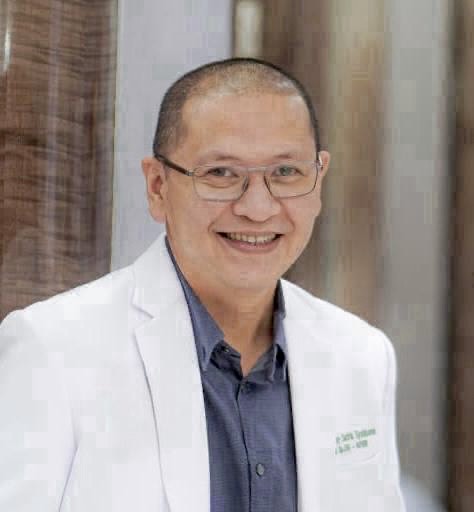
Dr. Luky Satria
Dr. Luky Satria, M.D.
Jakarta Doctor, Dr Luky Satria – Endometriosis Specialist, Gynecologist, Minimally Invasive Gynecologic Surgeon
Summary: Dr. Luky Satria is a highly respected Jakarta doctor specializing in endometriosis care and minimally invasive gynecologic surgery. Patients seeking expert, compassionate care often turn to Dr. Luky Satria for a personalized treatment plan that balances medication, surgery, and fertility considerations. His approach begins with hormonal therapy to manage endometriosis-related pain, reserving surgery for cases where medication is ineffective or when fertility outcomes can be improved.
Known for his thoughtful and evidence-based methods, Dr. Satria carefully evaluates each patient’s condition using imaging tools like ultrasound or MRI to guide the next steps. Postoperative care often includes continued hormonal treatment to reduce recurrence and support long-term well-being. As a trusted Jakarta doctor, Dr. Luky Satria is committed to delivering thorough, respectful care to every patient, tailoring his approach to meet their individual health and fertility goals.
City: Jakarta, DKI Jakarta, Indonesia
Philosophy: Probably multifactorial, coelomic metaplasia and retrograde menstruation combined with genetic-epigenetic factor
Medication: I use medication/ hormonal (progestin or LNG IUS) as the first-line treatment for endometriosis-associated pain, when the hormonal failed then complete excision surgery will be done. I also give hormonal treatment to patients waiting for surgery.
Hormonal treatment is also given to post-operative patients who don’t seek fertility to reduce recurrence risk.
Approach to Persistent Pain After Surgery: Systematic mapping with ultrasound (or MRI when needed) will be done to search for residual lesions (due to incomplete surgery) or de novo lesions. Surgery will be done when we find DIE lesions, but if it is ovarian lesions (endometrioma), I will suggest hormonal treatment or ART since repeat surgery of recurrent endometrioma will give a bad prognosis in ovarian function, especially in subfertility patients.
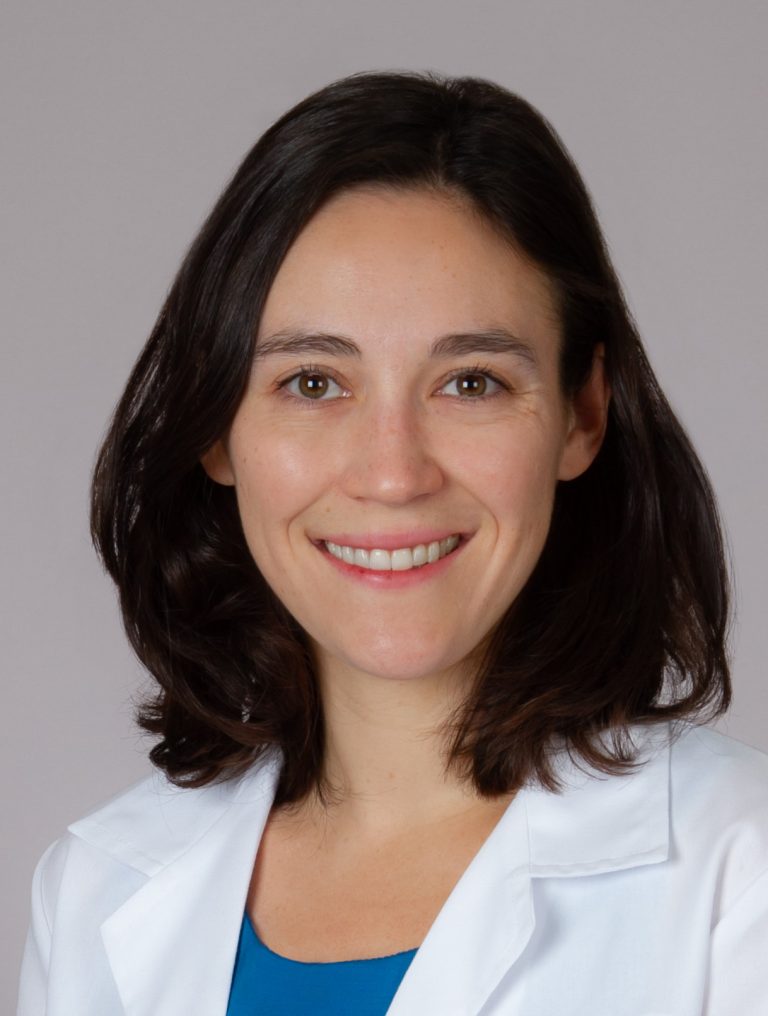
Dr. Anna Reinert
Dr Anna Reinert, M.D.
Dr Anna Reinert – Endometriosis Specialist, Gynecologist, Minimally Invasive Gynecologic Surgeon
Summary: Anna Reinert is a Virginia-based gynecologist and endometriosis specialist with advanced expertise in minimally invasive surgery. Patients seeking compassionate, individualized care often turn to Dr Anna Reinert for her thoughtful, science-driven approach to managing complex pelvic pain. Known for integrating surgery with long-term symptom support, Dr. Anna Reinert emphasizes hormonal suppression, lifestyle strategies, and collaboration with physical therapists and pain specialists to promote lasting relief.
Dr Reinert is deeply committed to understanding each patient’s unique presentation of endometriosis, tailoring treatment to include thorough preoperative evaluations, targeted surgical care, and ongoing pain management. She frequently uses non-opioid medications and custom therapies to support healing and improve quality of life. Patients consistently praise Dr. Anna Reinert for her warm, thorough care and for being a trusted partner through every stage of their endometriosis journey. Learn more by reading Dr. Anna Reinert reviews and discovering how she helps patients find real, sustainable relief.
City: Falls Church, VA, USA
Philosophy: Endometriosis is such a varied disease. I think that the relative contributions of different pathogenic mechanisms vary between patients. For most patients, I find that the greatest burden of disease is present at initial surgery, with much less recurrence over time, which suggests an in situ disease theory. I have seen more aggressive forms of the disease where recurrence happens quickly and in areas where peritoneal resection was recently performed, suggestive of a retrograde menstruation mechanism. In patients seeking surgery who are done with childbearing, I recommend hysterectomy – but if a patient does not desire hysterectomy, I recommend bilateral salpingectomy to try to minimize the risk of retrograde menstruation. I also recommend hormonal menstrual suppression as part of symptom control in women desiring future fertility.
I am hopeful that over time, the inflammatory cytokine cascades involved in endometriosis pathogenesis will be elucidated, and that we will be able to treat women with a small molecule inhibitor medication, similar to what is being used to prevent ovarian cancer recurrence, as part of post-surgical medical management of endometriosis.
Medication: I frequently recommend the use of hormonal contraceptive medications to suppress menstruation in women not seeking immediate fertility (combined OCPs, Depo-Provera, Kyleena IUD placement), both pre-operatively and post-operatively. I do not routinely recommend GnRH agonists or antagonists but may consider these for refractory pain after surgery in specific patients, or for temporary symptom management if surgery needs to be delayed and symptoms have persisted despite the use of hormonal contraception and other non-hormonal pain medications. I also take a multimodal approach to pain management, including the use of oral and vaginal muscle relaxants, lidocaine patches, NSAIDs, and Tylenol.
Approach to Persistent Pain After Surgery: Prior to surgery, I perform a comprehensive pelvic pain evaluation to assess for overlapping conditions such as spastic pelvic floor syndrome, interstitial cystitis, irritable bowel syndrome, or vulvodynia, and I look for evidence of central sensitization. Patients identified as having pelvic floor spasms pre-operatively will be referred to pelvic PT as part of their management of chronic pelvic pain, so many patients are referred to work with pelvic PT post-operatively. I prescribe oral and vaginal muscle relaxants for the management of pelvic floor spasms and perform Botox trigger point injections into the pelvic floor muscles when applicable. I will treat interstitial cystitis or IBS with medications and elimination diets. I use topical compounded ointments for vulvodynia, including topical gabapentin and hormones.
In patients who have persistent symptoms after surgery that are not specifically related to muscle spasms, IC, or IBS, I will assess for central sensitization and consider the use of duloxetine or a tricyclic antidepressant. I may recommend the use of ketamine, either in the vaginal suppository that I prescribe or as an oral agent prescribed by one of the pain management specialists with whom I collaborate. In specific patients, I may consider the use of GnRH agonists or antagonists as part of post-op pain management.
In addition to physical therapists, I collaborate with occupational therapists who specialize in lifestyle redesign for chronic pain, pain management specialists who understand pelvic pain and offer a variety of interventional procedures, and pain psychologists – and will refer patients to this team of providers as part of managing persistent pain symptoms.
